Corruption at Poland's National Science Centre
NN — an anonymized senior NCN official who in 2020 was Witold Kilarski's partner.
On 29 May 2020, NCN Director Zbigniew Błocki — acting on behalf of Prof. Marcin Drąg of Wrocław University of Technology — allegedly ordered NN (Head of NCN Grants Control) to deliver an ultimatum to Dr. Kilarski: withdraw your grant application from NAWA (Polish Returns programme, aimed at curing Type 1 Diabetes) or face consequences.
"Withdraw your NAWA grant by Monday… you won't get it anyway… this is to appease Prof. Drąg."
— NN's email from official NCN account, 1 June 2020
On 1 June 2020, NN sent an official email from her NCN account confirming Błocki's demand. NCN and NAWA are supposedly independent institutions — governed by different laws, based in different cities (Kraków vs. Warsaw). Yet Błocki allegedly interfered in NAWA's grant process.
In the 2020 NAWA Polish Returns competition, 12 grants were awarded. Dr. Kilarski ranked 13th — first alternate. The same result occurred in 2021.
Evidence
- 7 audio recordings (2020–2021) documenting alleged blackmail, allegedly unauthorized access to private messages, allegedly falsified reviews (Mudelsee copy-paste), nepotism (Błocki–Liana–UJ connections), and the NIK audit alleged cover-up.
- from NN (1 June 2020) confirming Błocki's ultimatum.
- Chronological email correspondence Kilarski–Błocki–Drąg–NN (2020–2021).
- Allegedly falsified reviews by Manfred Mudelsee in the GRIEG programme (copy-paste method).
- Internal NIK (Supreme Audit Office) alleged cover-up documents.
Prosecutor's refusal
Dr. Kilarski reported to prosecutors. The prosecutor (earlier case) refused to investigate (case 4135-1.Ds.96.2022). Instead of investigating alleged corruption, courts punished the whistleblower: fines, publication bans, forced apologies.
Prosecutor's refusal to open an investigation
This section contains my full letter to the National Prosecutor’s Office of 7 January 2025, which is a response to the reasoning of the ruling of 3 July 2024 issued by Prosecutor Elżbieta Ochońska-Wróbel (District Prosecutor’s Office Kraków-Podgórze, ref. 4135-1.Ds.96.2022) discontinuing the investigation. Below: a brief summary of the prosecutor’s ruling, then the full text of my letter.
Ruling of Prosecutor Elżbieta Ochońska-Wróbel discontinuing the investigation
Prosecutor Elżbieta Ochońska-Wróbel, having reviewed the materials, on the basis of art. 17 § 1 pts 1 and 2 of the Code of Criminal Procedure, discontinued the investigation in seven (I–VII) threads concerning NCN Director Zbigniew Błocki, Prof. Marcin Drąg, and NCN Expert Panels. The reasoning qualifies my notification as “probabilistic”, doubts the credibility of recordings (claiming they were made in a state of “agitation”), treats Director Błocki’s words from 29 May 2020 as a “suggestion”, and concludes there is no evidence Prof. Drąg handed or promised Director Błocki any financial benefit.
My letter to the National Prosecutor’s Office of 7 January 2025 — response to Prosecutor Elżbieta Ochońska-Wróbel’s reasoning
The full text of my letter is below — not as a link, but embedded into the page so any reader can see how I respond, point by point, to the reasoning of the discontinuation. The letter relates to ref. 4135-1.Ds.96.2022. The original Polish version of this letter is available for preview/download below.
Subject: ruling discontinuing the investigation conducted by Prosecutor Elżbieta Ochońska-Wróbel of the District Prosecutor’s Office Kraków-Podgórze, Kraków
I demand that the investigation into the blackmail by the Director of the National Science Centre and other irregularities at NCN in Kraków be reopened.
I previously asked you to oversee the investigation conducted by the Kraków-Podgórze District Prosecutor’s Office regarding blackmail, nepotism and cronyism at the National Science Centre (NCN), as I feared that influential figures connected to “Polish science” would attempt to sweep this matter under the rug. The investigation was discontinued; the discontinuation was supported by manipulated or fabricated evidence and biased arguments.
1. Why I feared the investigation would not be fair
The very circumstances of the act committed by the NCN Director Zbigniew Błocki resembled mafia-style settling of scores, and involved high-ranking figures from the world of Polish science. Less than a year ago (2024), Minister of Science Dariusz Wieczorek replied that the matter “concerns the past, when Błocki was Director” and “the NCN Council membership has changed by 50% in 2024” — as if that resolved the matter of the blackmail.
2. The Kraków-Podgórze prosecutor’s refusal to investigate the NCN Director’s blackmail
The reasoning of the discontinuation displays a peculiar approach to evidence: it generated a non-existent reality (claiming I had accused Prof. Marcin Drąg of bribing Zbigniew Błocki — I never made such a claim), questioned the recordings without listening to them, applied argumentum ad personam against me, and ignored the documented blackmail by a State Official.
3. Pattern of irregularities at NCN — the data
The 2019 jump in appeals-granted awards (26 vs. average 10/year) coincided with awards to spouses of NCN Discipline Coordinators. After my whistleblowing: 2020 — 0; 2021 — 0; 2022 — 2; 2023 — 2; 2024 — 0. From 10/year historically to 0.8/year after I exposed it.
4. Conclusion
I demand the reopening of the investigation and that the National Prosecutor’s Office exercise oversight: ref. 4135-1.Ds.96.2022.
Yours faithfully,
Dr Witold Kilarski
Interview with NN
Audio recording from 29 May 2020 of a conversation between Dr Witold Kilarski and NN — Head of NCN Grants Control. On that same day, NCN Director Zbigniew Błocki allegedly blackmailed NN to pressure Kilarski into withdrawing his NAWA grant application in order to appease Prof. Marcin Drąg.
A. Blackmail by Director Błocki
NN describes how Director Błocki summoned her and demanded she tell Kilarski to withdraw his NAWA grant application ("Polish Returns") to appease Prof. Marcin Drąg.
"[He told me] that you should withdraw the Returns application, because either way — and I quote — 'He wouldn't get it anyway.'"
"I hope this will appease — precisely — that this will satisfy Mr Drąg, if Mr Kilarski withdraws his project from the Returns programme."
"The information I received today is that Mr Marcin Drąg is influential."
B. Sexual assault by Prof. M.D.
NN recounts an alleged sexual assault by Prof. M.D. — according to her account she was pressed against a fence, kissed against her will, and intimately touched despite her stated objection. NN emphasises that she resisted and repeatedly demanded that the conduct stop. The description is kept to the evidentiary facts, without unnecessary anatomical detail.
"He pressed me against the fence, started kissing me. He started putting his hand into my trousers."
"I didn't want it, I didn't want it — right? Because I kept pulling his hand out and saying the whole time: Take it out, Marcin, take it out, Marcin, stop, leave it."
C. Dismissal of the incident by the Director
When NN reported the alleged assault to NCN Director Z.B., he reportedly responded with a sexual remark instead of taking institutional action. NN treats this as a failure of her superior to react appropriately.
"What does it matter? Maybe soon I'll be the one offering you sex."
"You didn't offer me sex. I could have said: And if you had, I'd probably have thrown up."
D. Reading Private Messages
Błocki and chief accountant Wais read NN's private Messenger conversations without her consent:
"He was reading my Messenger messages... Wais too. Błocki was reading them, but he gave them to Wais. He read them too."
E. Systematic corruption at NCN
NN describes multiple alleged corruption cases at NCN:
Januszkiewicz case — Błocki was excluded due to conflict of interest but still intervened to change the audit opinion.
Gola case — the NCN Director saved 1.3 million PLN for a researcher after hearing from the Council Chair that he was "a very good scientist."
"Husbands and wives of coordinators submit grant applications to NCN — that's okay [according to them]."
F. Mudelsee Copy-Paste Reviews
NN discusses the Mudelsee case — an expert who copied the same review fragment to 10–14 different grant applications in the GRIEG programme:
"Ten, ten grants or fourteen grants... And he copied a fragment concerning probably one person. He copied it to the others."
G. Doctoral Student from the University of Silesia — Theft of Ideas from Grants
NN describes the case of a doctoral student from the University of Silesia (anonymised, hereafter: "the anonymised doctoral student"). According to NN, the student filed a written complaint with NCN alleging misconduct by her supervisor and the alleged use of ideas drawn from the grant applications he was reviewing. NN states that NCN's Research Integrity Committee closed the case in her absence — in a short time, with the participation of Janeczek, a former Chair of the NCN Council who, according to NN, was not a committee member but came to support a colleague from the same university.
"This expert [...] from the University of Silesia — a girl filed a letter saying that the professor forces her to do experiments, that he steals ideas from the reviewed grant applications. And those remarks were enough. I was on leave. Case, case closed."
"And why did he come to the committee meeting? Because he works at the University of Silesia and the expert in question is his mate."
"And like never before, Mr Jakub Michalik wrote a letter on behalf of the committee in fifteen minutes. 'Thank you sir, we apologise for everything, for the trouble and so on.' I came back after two weeks' leave and the case was already settled."
"That the doctoral student has a conflict of interest because — in her view — he is bullying her. She believes he harasses her, and he simply demands that she come to the laboratory [personal circumstances redacted following legal audit] and perform an experiment which he then does not use for anything for six months."
Conversation 2 — NN's meeting with NCN Director Zbigniew Błocki — Tuesday 2 June 2020
Recording of a meeting between NN and NCN Director Zbigniew Błocki, held four days after a Friday meeting at which — according to NN's account during this conversation — she was instructed to tell Dr Witold Kilarski to withdraw his application from the NAWA programme. The conversation touches on Prof. Marcin Drąg, the GRIEG/OSF ranking lists and personnel decisions concerning NN. The description below stays close to the transcript and does not infer the participants' intentions.
| Topic | Description |
|---|---|
| Date | Tuesday, 2 June 2020 |
| Participants | NN and NCN Director Zbigniew Błocki (the user-supplied filename also indicates the presence of J. Weis). Speaker labels in the automatic transcript are not stable; the automatic labels may be inexact. |
| Source | User recording; automatic text transcript. |
| Evidentiary significance | The recording shows a connection between the expectation that Dr Witold Kilarski withdraw the NAWA application, the pressure placed on NN, and the announced employment consequences for her. |
Source note: the audio is a user recording; speaker labels in the automatic transcript ("speaker_0", "speaker_1" …) are not stable. Quotations are translated from the Polish transcript; the description does not infer participants' intentions.
Conversation 3 — "talk with Zbigniew Blocki" — Thursday 4 June 2020
The third recorded meeting, full version 1 h 52 min, in the NCN director's office. NN is confronted by NCN Director Prof. Z.B. and Piotr Maciąg — on the pretext of "discussing NN's future at NCN", Z.B. dissects her email correspondence with Prof. M.D. (Wrocław University of Science and Technology). Two key threads emerge from the recording: (1) during a business lunch at NCN, NN was allegedly subjected to sexual assault by Prof. M.D. (digital penetration), after which Prof. M.D. is said to have treated NN's refusal as grounds for retaliation; (2) Z.B. — according to NN — reframes the episode as her "personal matter" rather than taking institutional action. The filename (3rd-talk-with-Zbigniew-Blocki) identifies the interlocutor.
| Topic | Description |
|---|---|
| Date | Thursday 4 June 2020 |
| Participants | NN, Dr Witold Kilarski, Piotr Maciąg (head at NCN), Prof. Zbigniew Błocki (NCN Director) |
| Duration | 1 h 52 min 27 s |
| Evidentiary importance | Key evidence regarding the alleged sexual assault on NN by Prof. M.D. (digital penetration) — an act said to have occurred during a business lunch at NCN. Z.B., according to NN's account, was informed but, instead of an institutional response, suggested it was NN's "personal matter". |
A. "The click happened when you opened up" — shifting the responsibility
Reading the email exchange, Director Z.B. characterises Prof. M.D. as "very principled" and states that the "click" with Prof. M.D. happened "the moment you opened up." In NN's view, this shifts responsibility for the conflict from the alleged perpetrator onto the person harmed.
"I don't fully understand Drąg's motivation. But reading your exchange, it strikes me he's a very principled guy — and evidently, the click happened at the moment when you opened up."
B. Disclosure — intimate boundary violation of NN by Prof. M.D. (~99 min)
Dr Witold Kilarski openly addresses what — according to NN's account — Prof. M.D. allegedly did during a business lunch. The passage is evidentiary in relation to the allegations against Prof. M.D. The quote retains the profanities in the form spoken by the participant, as it is part of the authentic conversational record.
"Some prick, fuck, got offended because he couldn't, fuck, fuck you. So he stuck a finger into your vagina, right? And we're supposed to apologise to him?"
"I didn't talk about putting a finger into the vagina. Maybe not in such detail, but I did say he proposed sex and I refused — right?"
"She said he stuck a finger into her vagina. For God's sake. So now apologise to him on your knees, preferably. (…) Fucking hell, fuck. What madness."
Recording 4 — 10 October 2020: NN on wanting to leave NCN
Recording from 10 October 2020 — NN, speaking with Dr. Kilarski, describes her decision to leave Poland's National Science Centre. She explains the atmosphere inside NCN after Błocki's ultimatum and the growing pressure from management.
NN describes both the consequences that befell her after exposing the alleged blackmail and NCN's internal procedures against those who refuse to stay silent. The conversation also documents her explicit statement that she intends to leave — which is later confirmed by NCN emails from the turn of 2020/2021.
A. The NCN grant system and irregularities
As Head of NCN's Grants Control Department, NN describes the internal system for evaluating and auditing applications, including specific researcher cases (e.g. the Selmajer case and the Dulak case) which she characterises as evidence of unequal treatment and conflicts of interest at NCN. The conversation was recorded in a private setting; NN was unaware she was being recorded, which lends spontaneity to her account.
B. Inconsistencies in NN's account — between loyalty and criticism
NN's statements are at points internally inconsistent: in one passage she defends Director Błocki (calling him "crystal clear" and "cautious"), while in another she describes conduct directed at her which she treats as reprisals. As noted in Dr. Kilarski's analysis of the full set of recordings, this duality paradoxically reinforces the credibility of her account: NN speaks candidly, oscillating between institutional loyalty and awareness of irregularities.
C. Intention to leave NCN
NN states explicitly that she wants to leave NCN. The fact that this statement was already made in October 2020 — months before her actual departure — undermines later suggestions that the decision was sudden or unrelated to the atmosphere following the 29 May 2020 ultimatum.
Recording 5 (20 March 2021) — one conversation in two parts
Recording 5 is one continuous conversation from 20 March 2021, saved — for technical reasons — in two files (7a and 7b). During this conversation Dr. Witold Kilarski played back to NN her own NCN emails from the period when she was leaving NCN.
Jolanta Kilarska ("Jola") — Dr. Kilarski's spouse — also took part in the conversation. The three-way nature of the exchange allows one to follow how NN reacts when confronted with her own emails and how she comments on the actions of NCN's management (Błocki, Drąg, Mudelsee) from the perspective of a former NCN employee.
Note: Part A (the smaller file) is the beginning of the conversation; Part B (the larger file) is its direct continuation. For continuity and context, we recommend listening to both files in A → B order.
Audio version: The current version of this recording (7a + 7b) has been replaced with the version from the main folder of originals — higher-quality audio than the one originally published.
A. Confronting NN with her own NCN correspondence
A three-way conversation — Dr. Witold Kilarski, NN and Jolanta Kilarska — in which Kilarski reads back fragments of NN's NCN emails from the period of her employment. The confrontation is evidentiary in character: NN, now a former employee, comments on the content of her own messages, including those in which she described the NAWA application affair and management's conduct.
B. Falsified reviews at NCN — the Mudelsee case and "14 identical reviews"
The conversation returns to the falsification of reviews at NCN: the scale, according to NN's findings, was 14 identical (copy-paste) reviews uncovered within one funding programme. The recording offers a later, more orderly commentary by NN on those discoveries (after her departure from NCN), in contrast with her spontaneous statements of August 2020.
C. Unequal treatment of researchers and conflicts of interest in the NCN Council
NN also addresses unequal treatment of researchers in grant evaluation (referring to specific cases she knew from her work in the Control Department) and alleged conflicts of interest within the NCN Council. Her reasoning is referential — she invokes cases which, in her view, should have led to disciplinary action.
D. Internal NCN reactions to the disclosed irregularities
NN describes the internal reactions to her audits and discoveries: from quiet warnings, through attempts to shift responsibility, to — by her account — disciplinary measures aimed at her when she refused to drop her findings. This material rounds out the institutional picture documented in the other 2020 recordings.
Recording 6 — NN’s call to me while I was in Jareniówka
Phone recording — NN calls Dr. Kilarski from Jareniówka. Shorter than the other conversations, but important for its candor and direct tone: NN speaks spontaneously, without the formal context of an NCN meeting.
The material contains statements in which NN confirms earlier accounts of pressure from NCN management and expresses her own feelings about what happened. It is a private voice — a complement to the recordings made at work.
A. Escalation of the conflict with Prof. Marcin Drąg
NN reports that Prof. Drąg is escalating the conflict with Dr. Kilarski by writing to various people (rectors, Prof. Melody Swartz). She notes that Drąg constructs a narrative of an alleged joint action by NN and Dr. Kilarski — using a slash-linked construct between the two surnames in his emails — and repeatedly answers with evasive "no comments" to messages whose content he himself cannot classify as improper.
B. The role of Drąg's informant (originally a planned NAWA collaborator)
This thread concerns a third party — anonymised here as "K." — who had originally been envisaged as Dr. Kilarski's collaborator on the 2020 NAWA "Polish Returns" grant. According to NN's account, "K." had been forwarding Drąg the content of messages that Dr. Kilarski sent her, including Messenger chats. The recording reviews the original wording of one message (from 4 March) in which — as NN and Dr. Kilarski establish on tape — there is no plural-form phrase on which Drąg's "conspiracy" charge had relied.
C. Position of Prof. Melody Swartz (University of Chicago)
NN and Dr. Kilarski recall correspondence between Prof. Melody Swartz (Dr. Kilarski's supervisor at the University of Chicago) and Prof. Drąg, in which Swartz expressly confirms that the University of Chicago was "fully aware" of Dr. Kilarski's collaboration with Polish groups and that there had never been any "miscontact". Despite this — according to the recording — Drąg continued to assert that the "American side did not agree", ignoring Swartz's written position.
D. "We have to take this to court" — NN's stated position
NN states explicitly that she intends to take the matter against Prof. Drąg to court and that she has already consulted a lawyer and a personal advisor. At the same time, she asks Dr. Kilarski not to post anything about the case on social media, judging that such publication would only "fuel the fire" for the other side.
E. Drąg as a "big fish" in his institution — parallels to the Macchiarini affair
NN draws an analogy with the Paolo Macchiarini case (a compromised researcher associated with the Karolinska Institute) and assesses that Prof. Drąg occupies, within his university, the position of someone the institution will defend "as a wall" because of the research funding he brings in. NN's conclusion: a conflict with such a person calls for a court route, not a public-commentary one.
Recording 7 — 30 September 2021: the mechanism of Witold's destruction
Recording from 30 September 2021 (11:49) — NN explains what the mechanism of Dr. Witold Kilarski's destruction by NCN Director Zbigniew Błocki and Prof. Marcin Drąg may have been. It is a late, summarising view from NN — already a former NCN employee — covering the whole process: from the 29 May 2020 ultimatum to Kilarski's exclusion from academia.
NN reconstructs specific steps: Drąg's influence on NCN decisions, Błocki's use of his position to close off grant access to independent voices, and the role of procedural reprisals (courts, civil lawsuits, verdicts). It is one of the most important summaries of the case delivered by someone who was inside the apparatus.
A. How NCN's Director knew about the NAWA application
The recording's central thesis: as a partner institution to the NAWA "Polish Returns" programme, NCN received the full lists of applicants. NN reveals this to Dr. Kilarski only in this conversation — which explains how Błocki could have known the applicant's identity from the outset.
"He was formally informed because we are a [funding] component — we received the entire list of people submitting [applications]."
B. "Appease" — NN's reconstruction of the withdrawal demand
NN sets out her own reconstruction of Błocki's motivation: the NCN Director — by her account — had no direct order from Prof. Drąg, but, "afraid that the situation might surface and damage NCN's reputation", devised on his own that he would "appease" Drąg by getting Dr. Kilarski to withdraw the application. According to NN, the word "appease" came directly from Błocki.
"He said this to me — that this would be something that would appease [Drąg]."
C. Manipulating the NAWA score threshold — from 25 to 86.5
NN tells Dr. Kilarski that the chair of the NAWA panel had been told the applicant "is not to receive [funding]". When it turned out that Dr. Kilarski had ranked highly (14th on the list), the score threshold required for funding was — by NN's account — artificially raised from 25 to 86.5 points.
"With Grochala […] as panel chair, he told him: 'listen, this guy is not to get it'. […] So he came up with [the idea] that the threshold would now be 86 points."
"86.5 — not 25, the way it was a year ago."
D. The reason for removing NN from NCN
NN explains that the NCN Director — as she heard from him — justified the need to remove her from the position of head of grants control by invoking the defence of "NCN's good name". The conflict with Prof. Drąg became — in NN's view — an instrumental pretext; the real reason, she suggests, was her earlier audit work, including the discovery of 14 identical (copy-paste) reviews within a single grant programme.
"He was defending — as he himself put it — the good name of NCN, so he had to dismiss me ideally, or do something with me, because it cannot be that I would stay in this post and simply not be punished."
E. Systemic irregularities at NCN — work-for-hire contracts and the anti-plagiarism programme
NN describes specific practices that, in her view, amount to financial misconduct at NCN: work-for-hire contracts concluded for publications that already existed on the day the contract was signed (in one case, for 70,000 PLN); a change of interpretation after Błocki took office (now allowing the assumption of an "oral agreement"); and the fate of the anti-plagiarism programme that NN had purchased for NCN, which after a year was reportedly judged "unnecessary" and removed from the institution's infrastructure.
F. NN does not want to give testimony — a personal limit
Pressed by Dr. Kilarski, NN explains why she does not want to testify in court. She does not contest the findings, but draws a personal line: she prefers to "walk away" from people and situations that affect her negatively, rather than to fight. She also draws a temporal line — "Błocki will stop being director in two years". On the recording, Dr. Kilarski does not accept this passive stance and announces a "frontal attack" as, in his view, the only available form of defence.
The whistleblower punished, not the corrupt officials
Instead of prosecuting alleged corruption, Poland's justice system turned against the whistleblower.
The judge in my NCN case received PLN 400,000 in gifts (not from family) in the very month his random assignment to my case was made
This section concerns the judge to whom my case involving the National Science Centre Poland (NCN) was assigned by random allocation and who — according to his asset declaration — in the same month and year his random assignment to my case was made, received a total of PLN 400,000 in gifts. These gifts did not come from his family.
Temporal coincidence: random case allocation and PLN 400,000 in gifts
Documentation indicates that, in the same month and year my NCN case was randomly assigned to this judge, he received a total of PLN 400,000 in cash gifts. In his 2023 asset declaration, the judge did not list the donors as immediate family members; the disclosed source is not inheritance and not from family.
From the standpoint of judicial impartiality (art. 41 § 1 of the Polish Code of Criminal Procedure; art. 49 of the Code of Civil Procedure; art. 178 § 1 of the Polish Constitution), such a substantial — and indirectly documented — temporal coincidence raises serious questions about: (i) the source and legal title of the gifts; (ii) the duty to recuse the judge (iudex inhabilis / suspectus); (iii) the obligation to fully and truthfully disclose sources of wealth in the asset declaration (art. 87 § 6 of the Polish Law on Common Courts).
Pending — source documents will be attached
This section will then include: full asset declaration for 2023; legal analysis “Acceptance of a PLN 400,000 gift by a judge and judicial impartiality”; identifying details of the judge, the case file reference, and the document confirming the date of random assignment.
Key Evidence
NN — an anonymized senior NCN official who in 2020 was Witold Kilarski's partner.
Below are documents supporting the case of alleged corruption at NCN. The ultimatum email from NN is the central piece of evidence.
- 2.
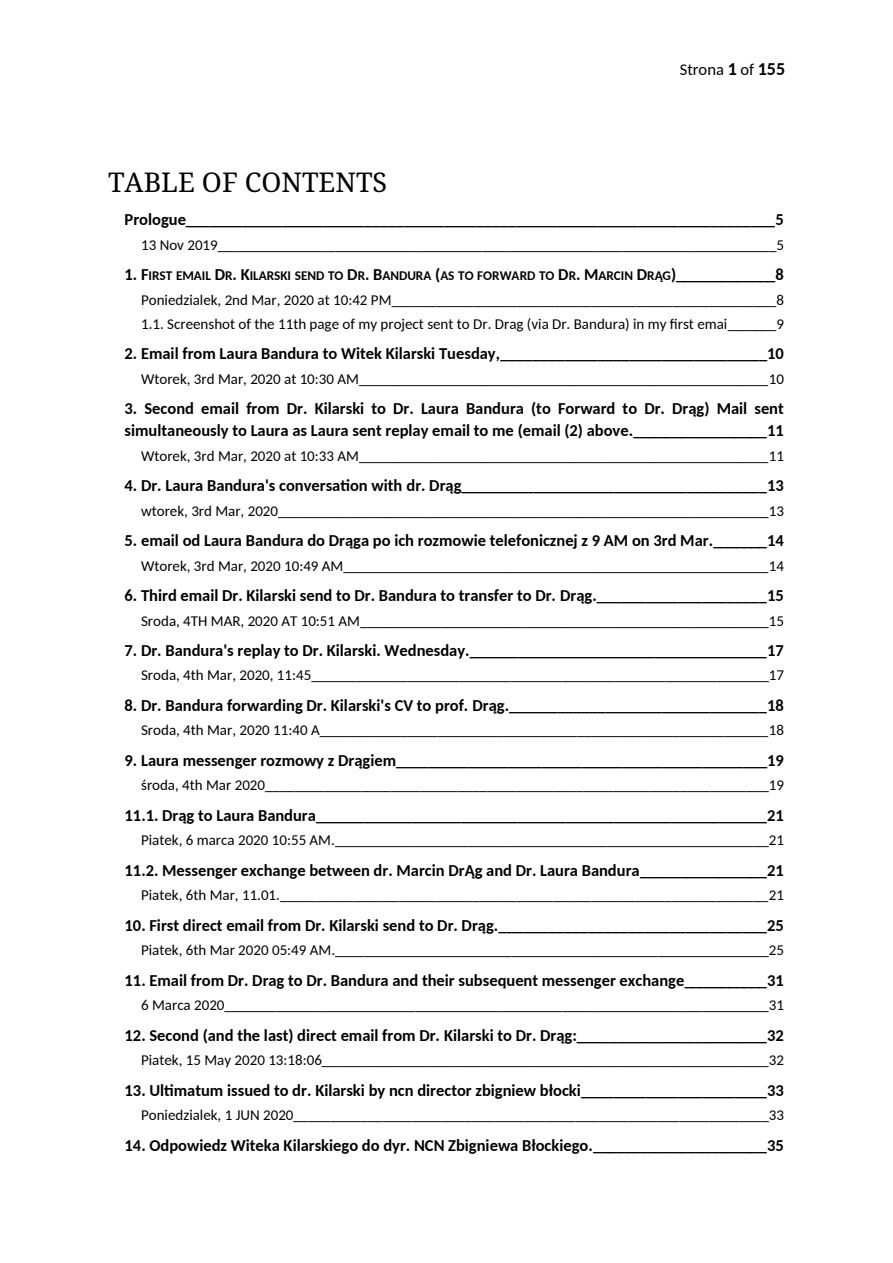 Chronological email correspondence Kilarski-Błocki-Drąg-NN (2020-2021)DOCX
 - 3.
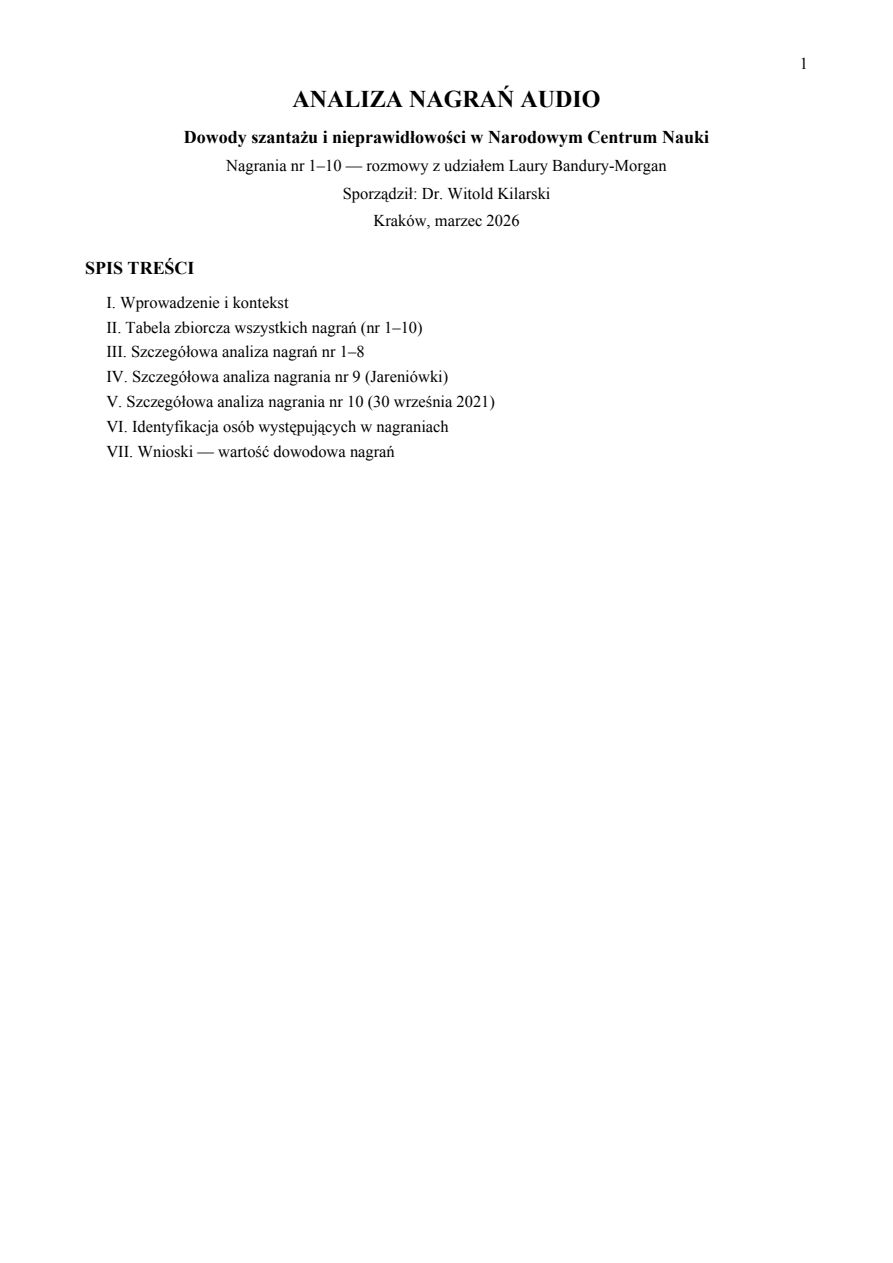 Complete analysis of 7 audio recordings — evidence of alleged blackmail and alleged corruption at NCNDOCX
 - 4.
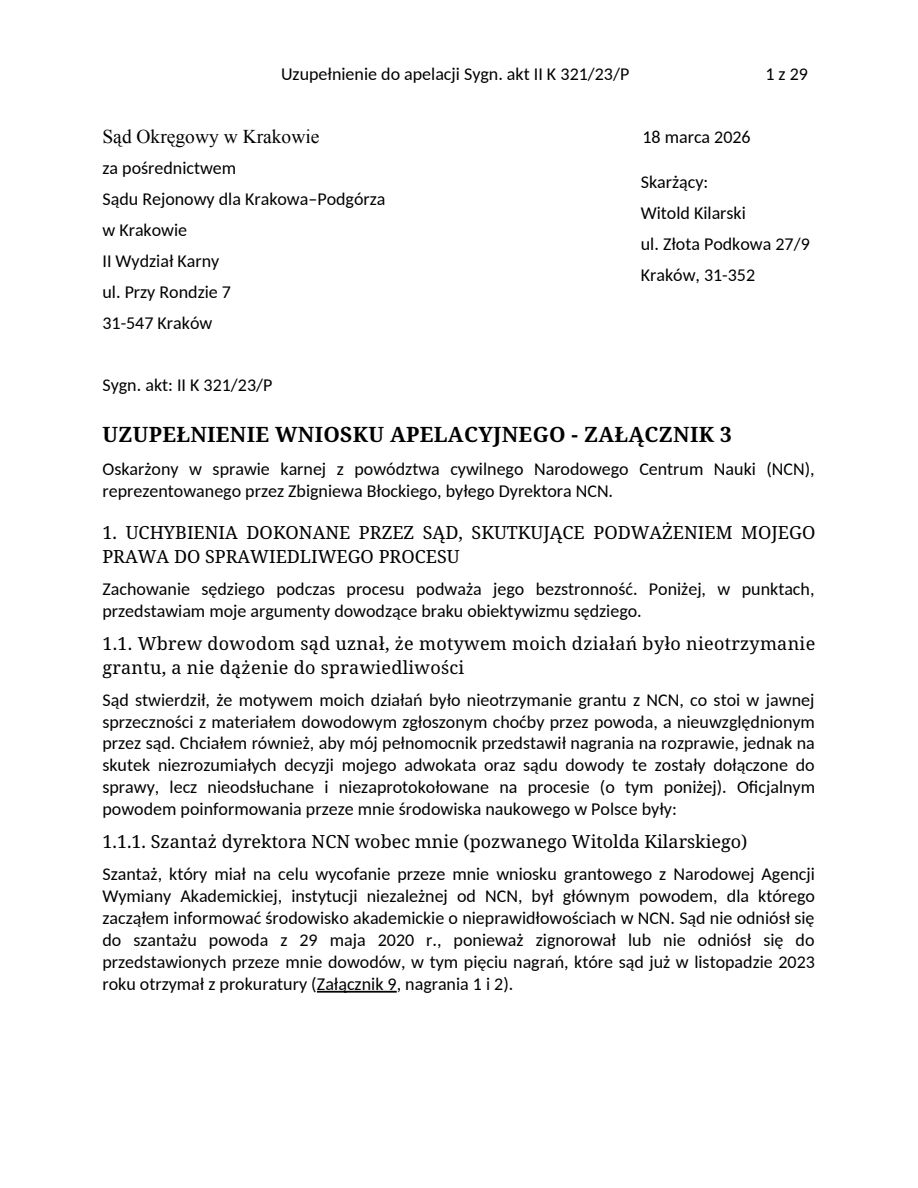 Appeal against verdict II K 321/23/P (NCN/Błocki vs. Kilarski)DOCX
 - 5.
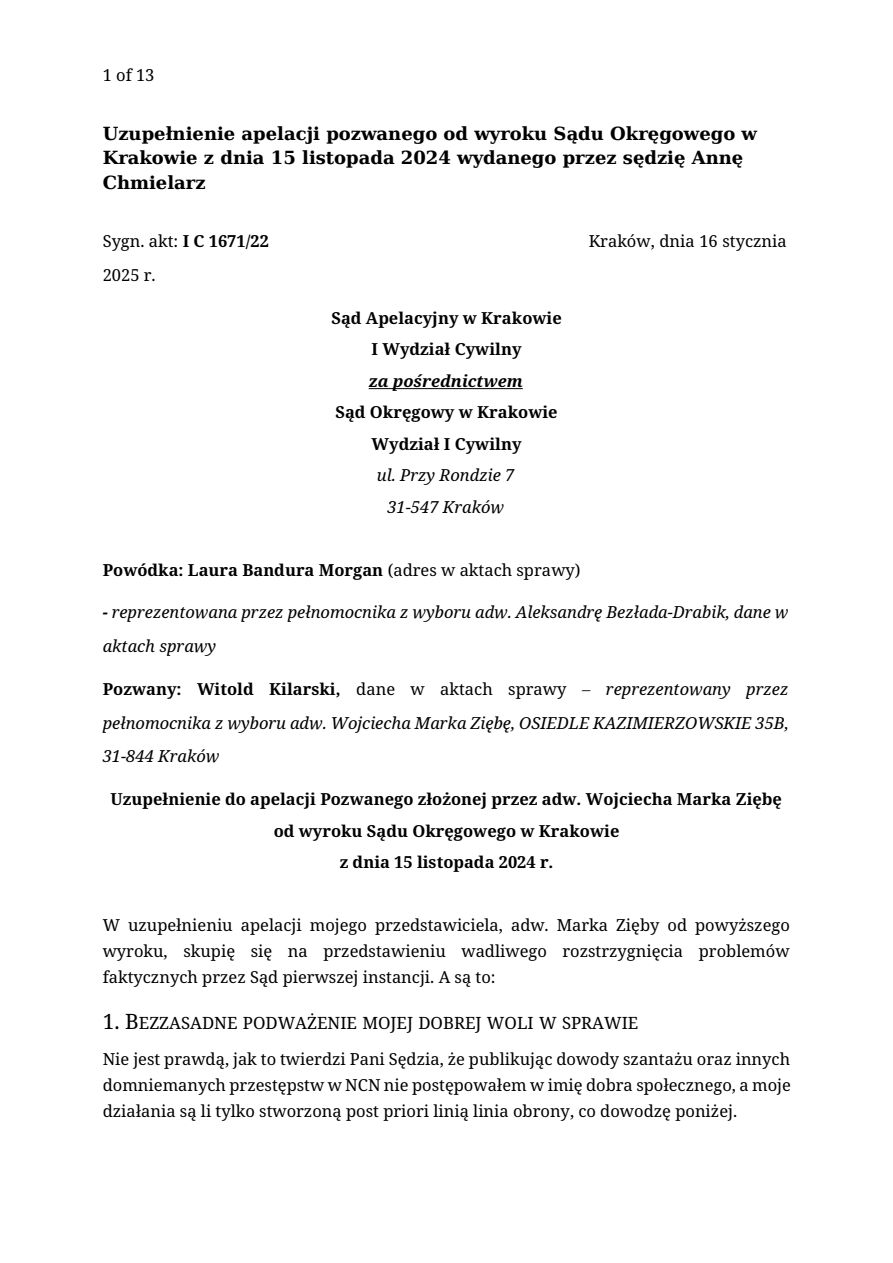 Supplementary appeal against Kraków District Court verdict of 15 November 2024DOCX
 - 6.
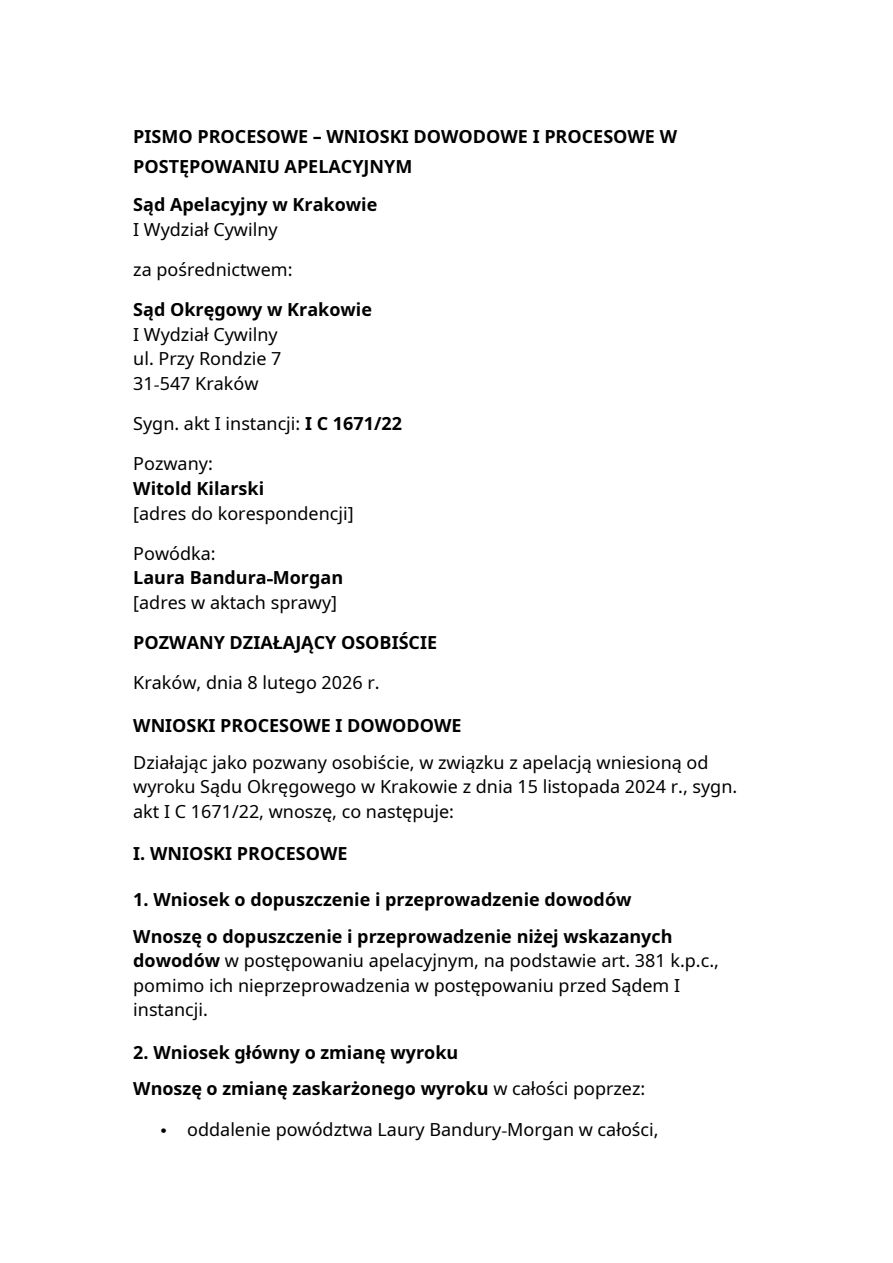 Procedural motions — appealDOCX
 - 7.
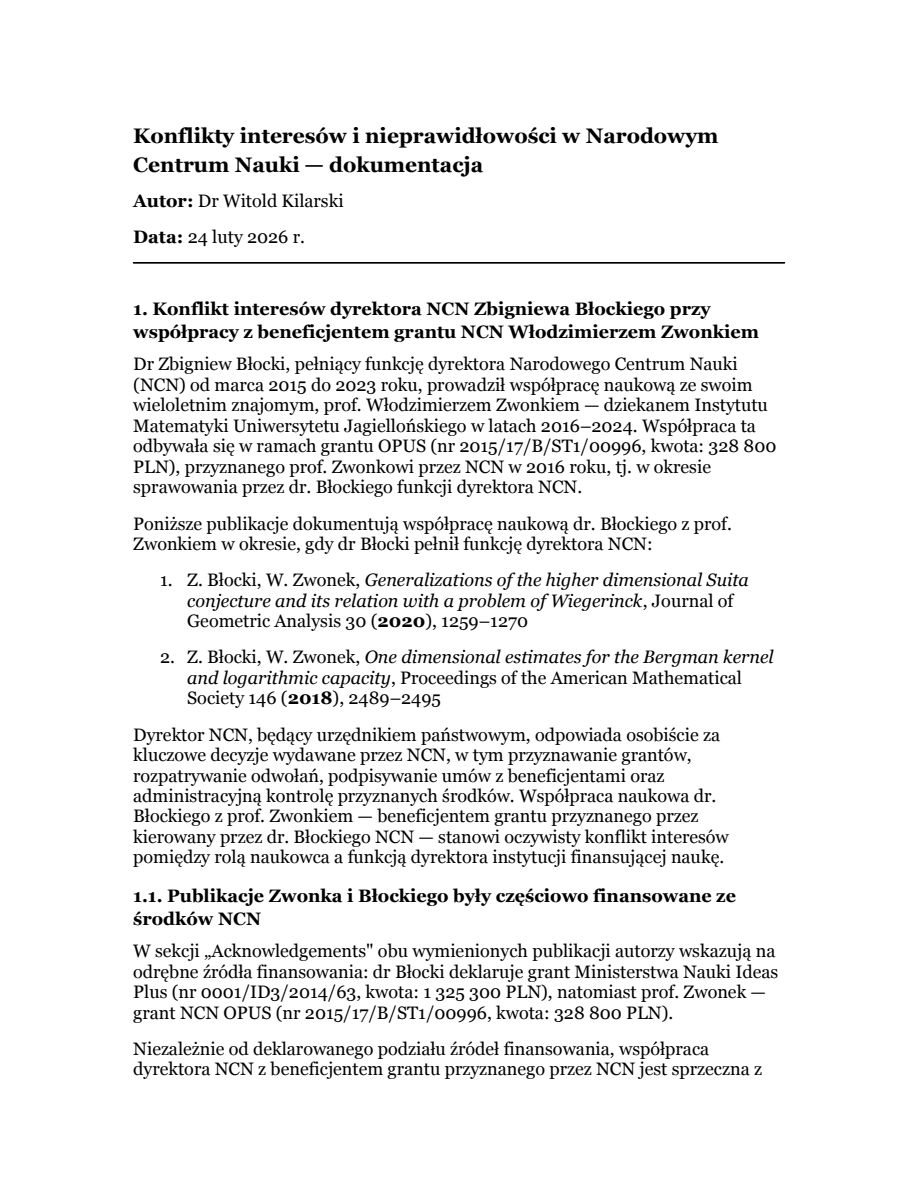 Analysis of connections: Babik, Liana, Zwonek, Błocki — alleged nepotism at NCNDOCX
 - 8.
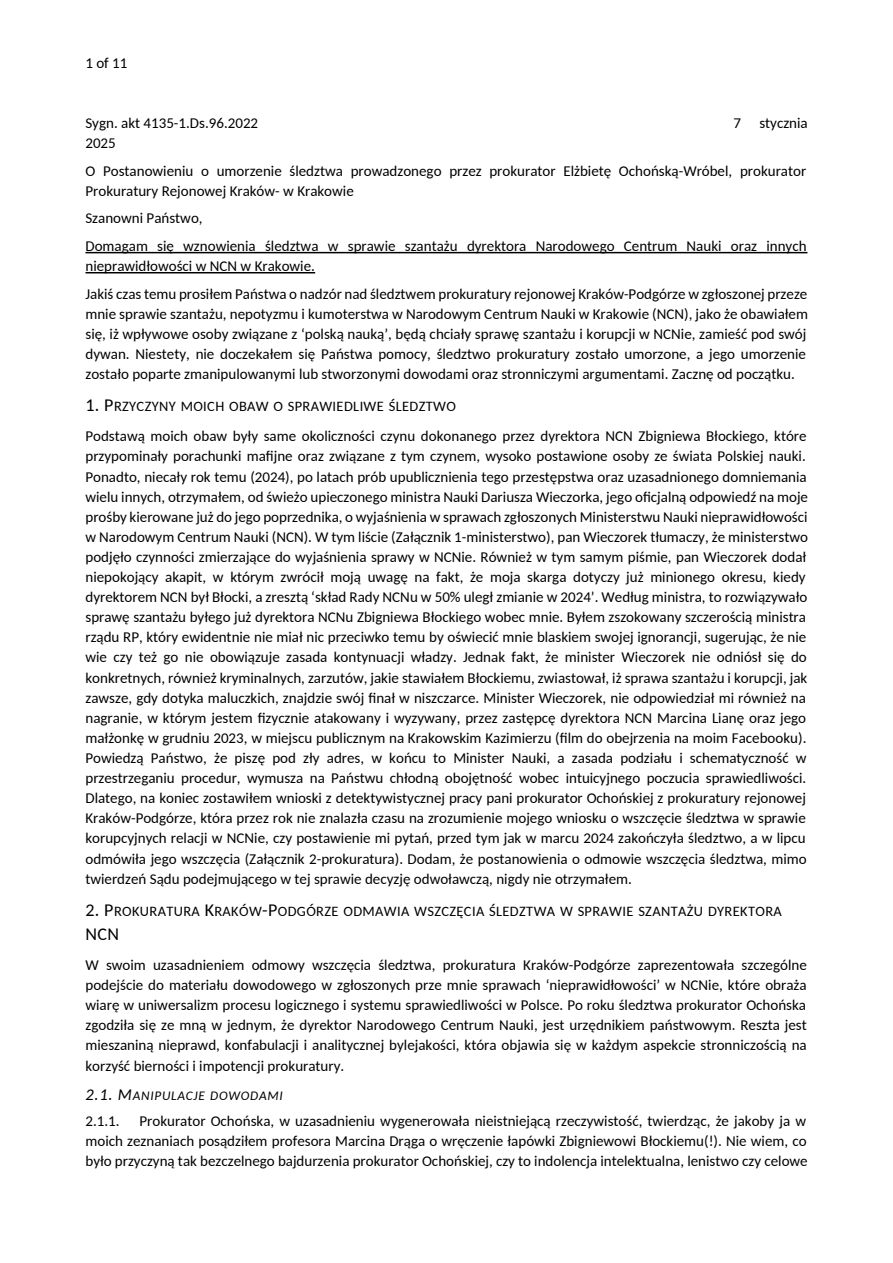 Attachment to criminal complaint filed with prosecutorDOCX
 - 9.
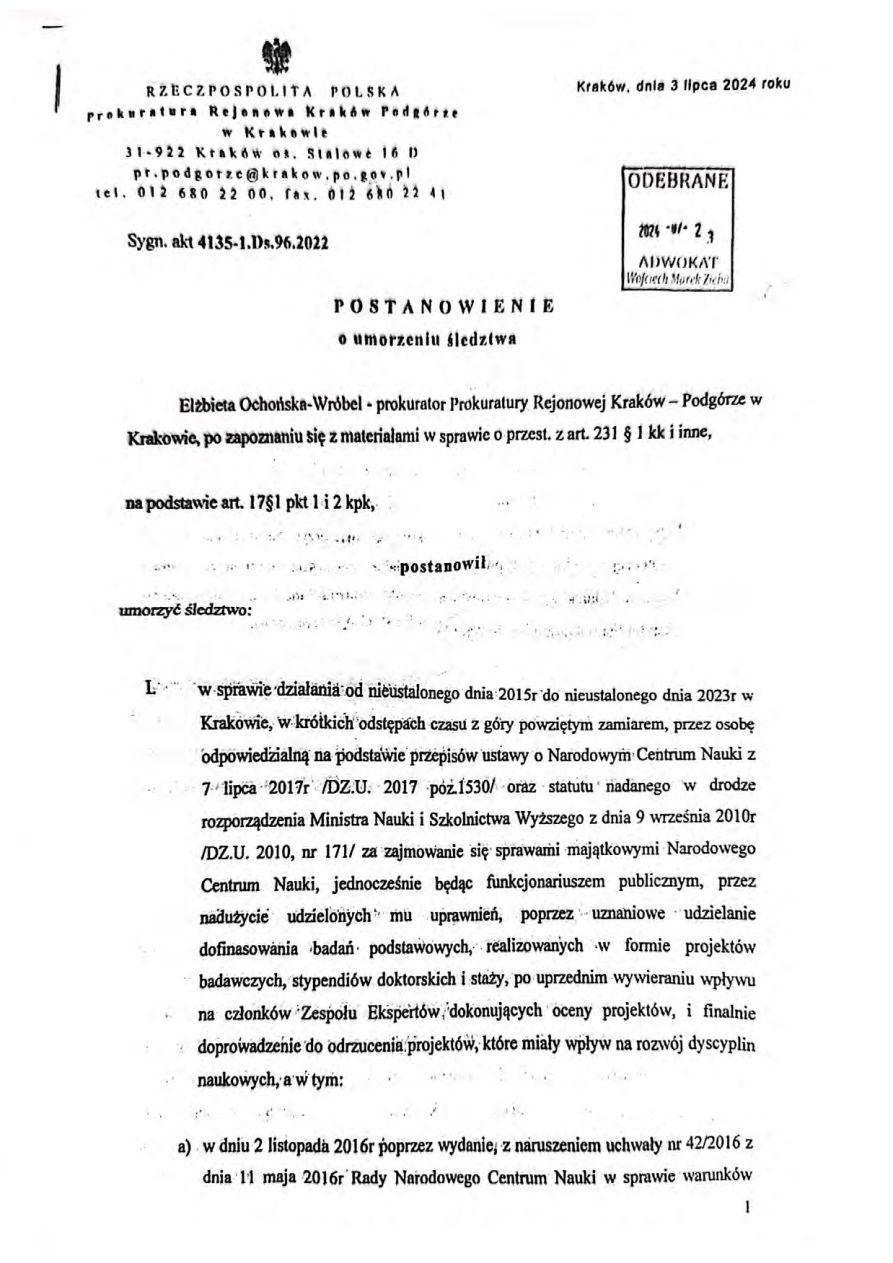 Prosecutor's decision — refusal to investigate (prosecutor, earlier case)PDF
 - 10.
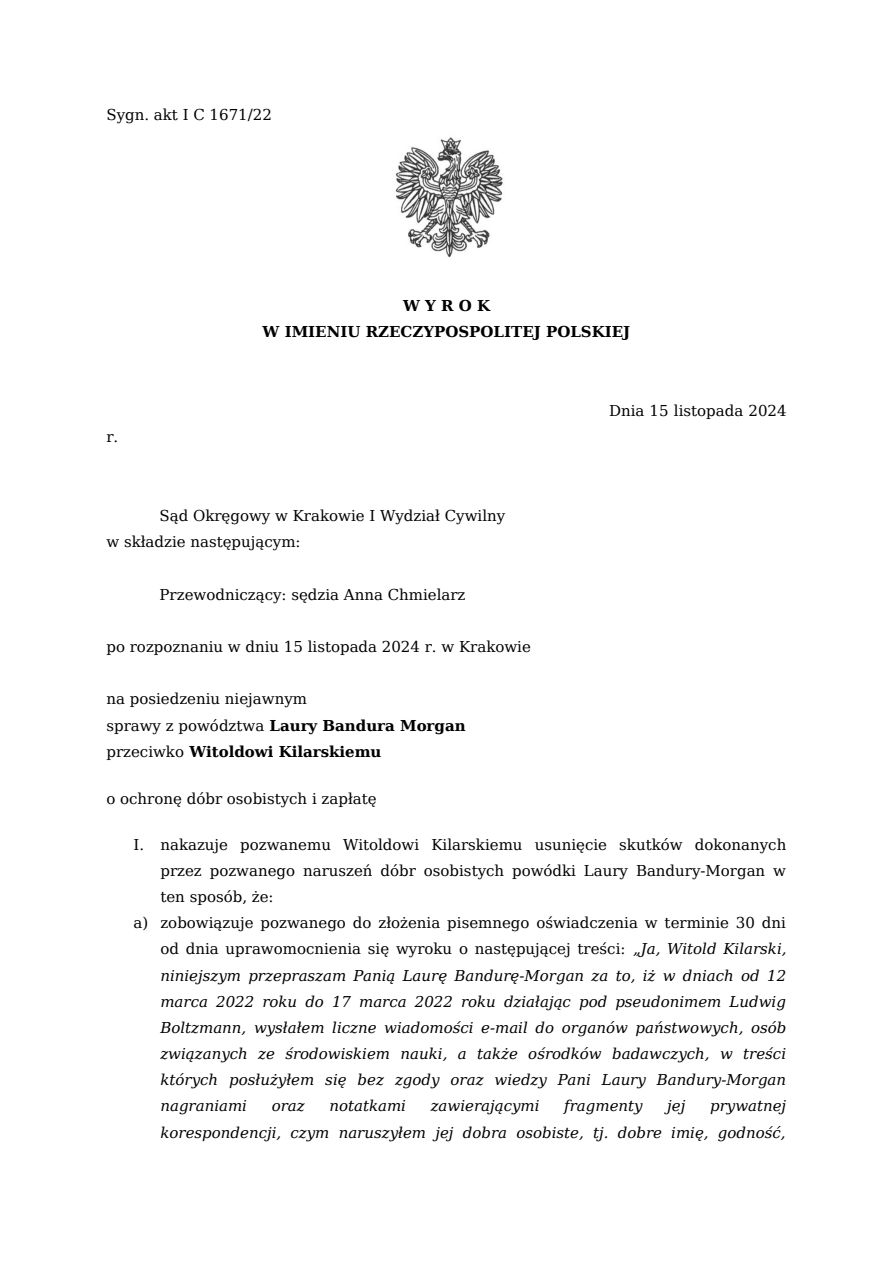 Verdict in NN vs. Kilarski case (the presiding judge)PDF
 - 12.
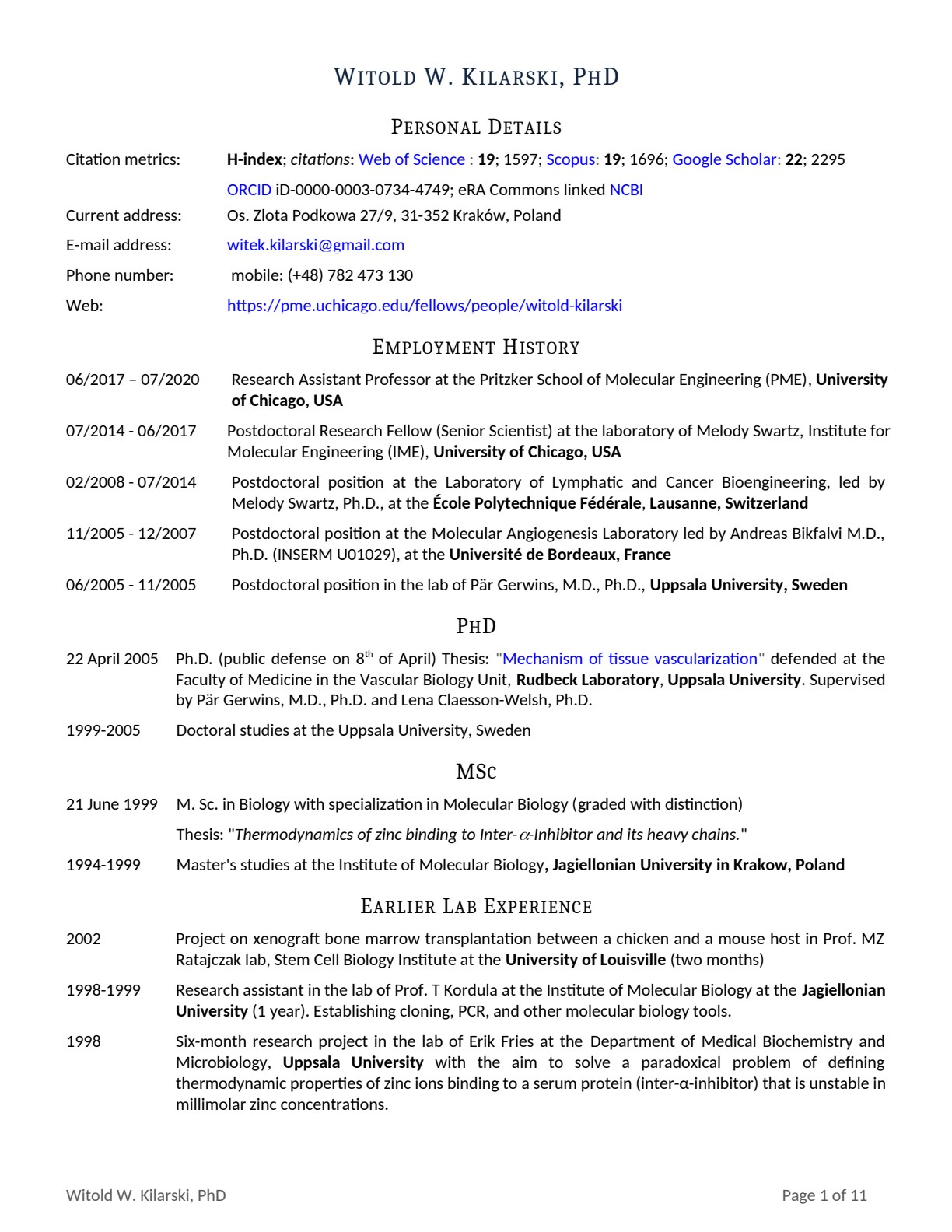
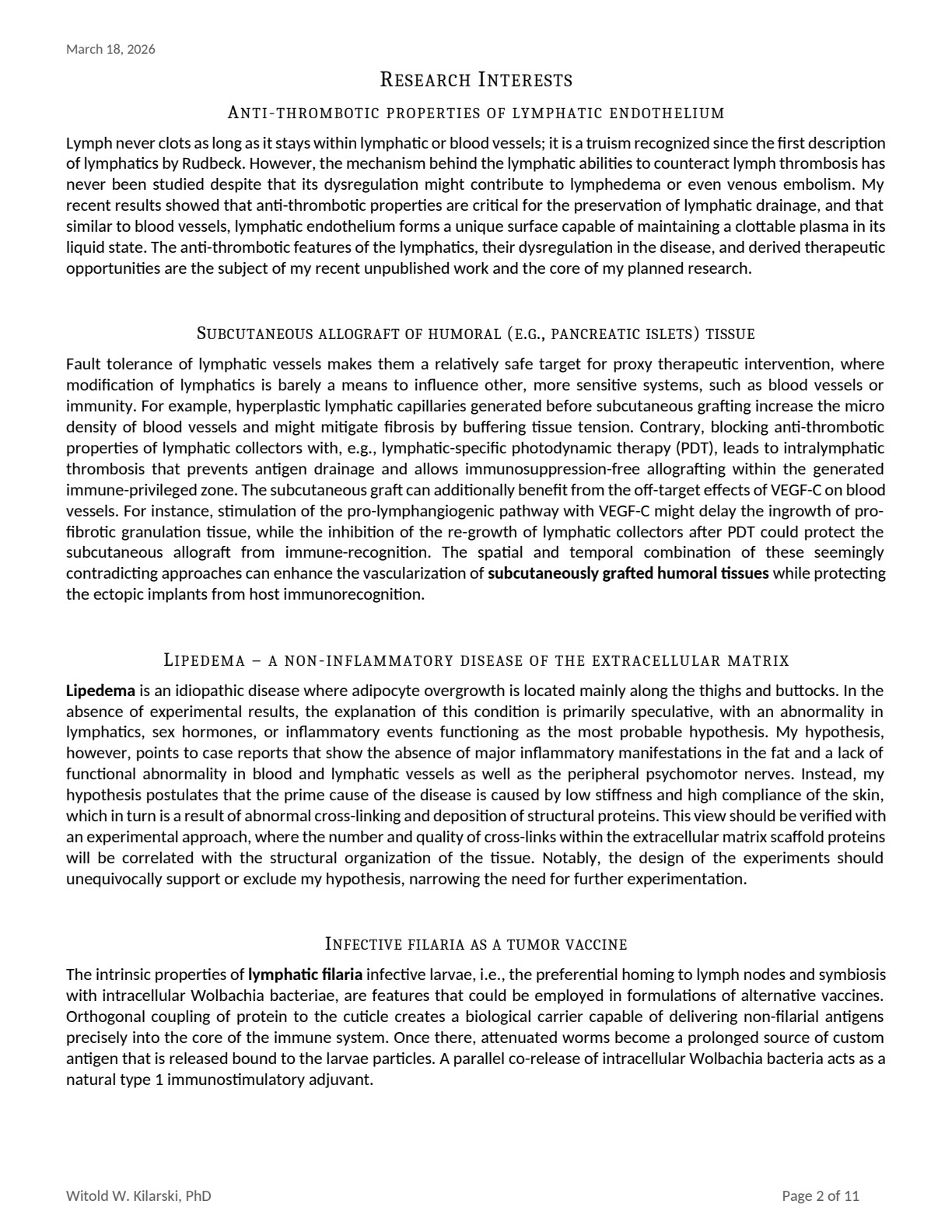
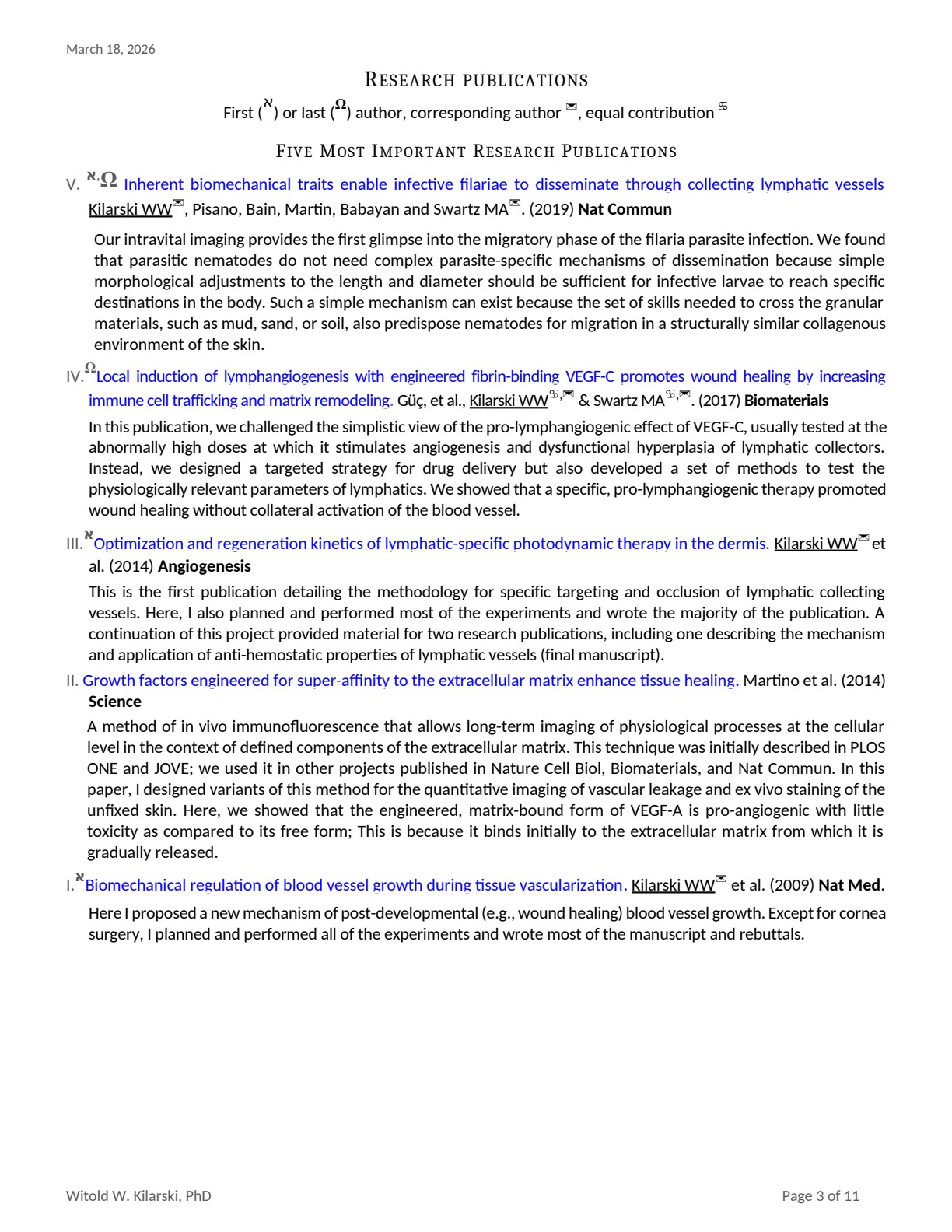
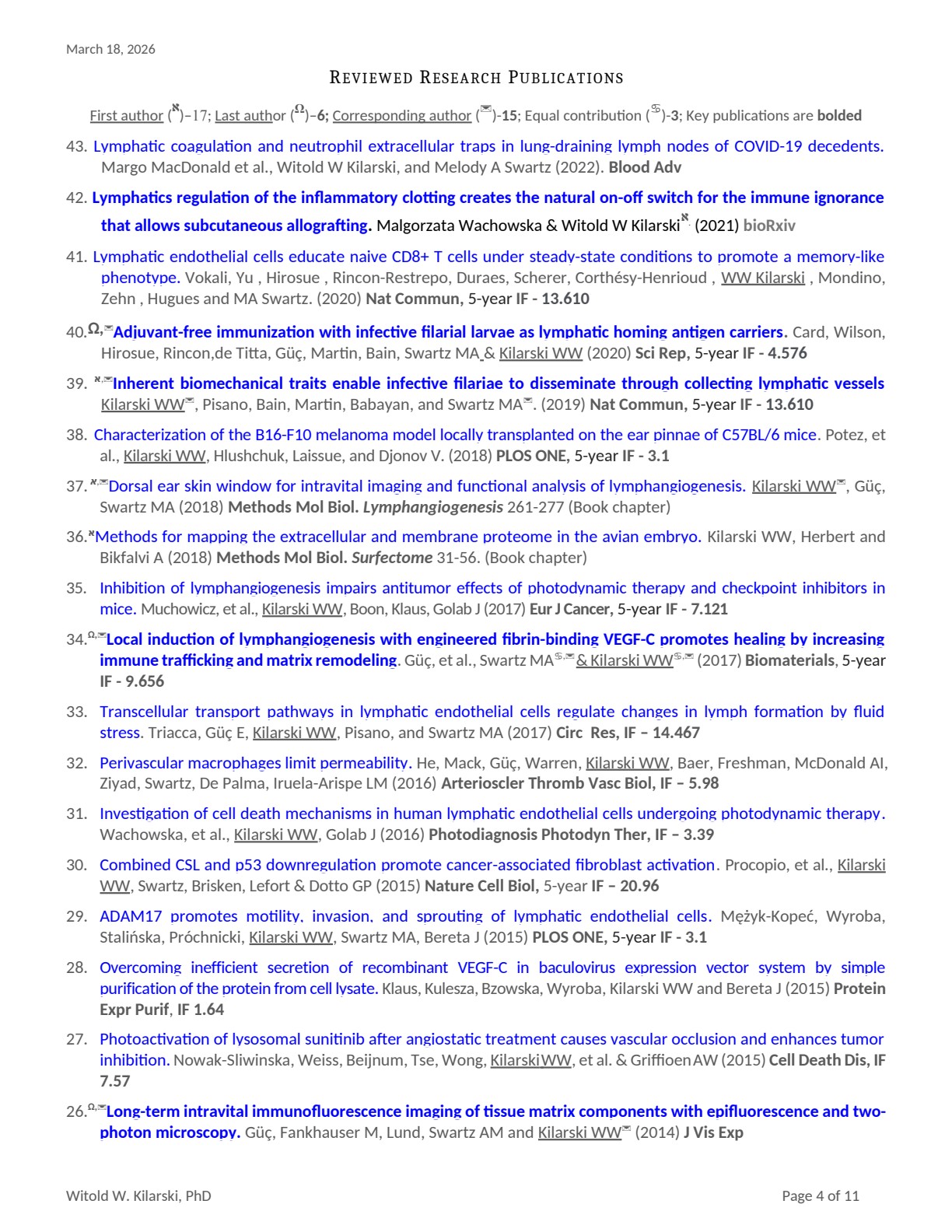
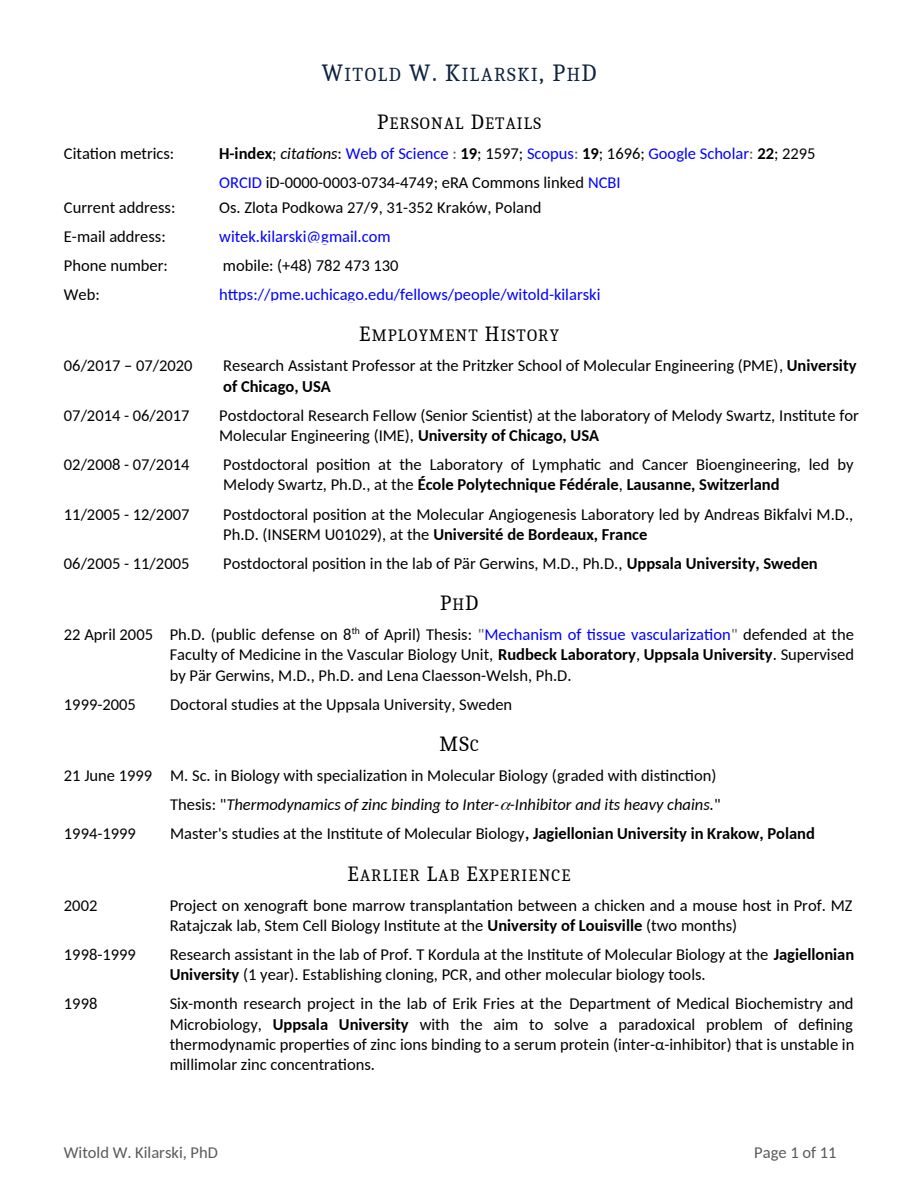 CV and list of scientific publications of Dr. Witold KilarskiDOCX
The central piece of evidence in the entire case. An email from NN — Head of NCN's Grants Control Department — sent on 1 June 2020 from an official NCN work account. The document conveys to Dr. Kilarski the ultimatum issued by NCN Director Zbigniew Błocki: withdraw the NAWA "Polish Returns" application — you won't get it anyway — in order to "placate Prof. Drąg".
Evidentiary value: confirms the ultimatum in writing, from an official NCN account. The body managing NCN's grant competitions is interfering with an independent NAWA competition — outside the lawful remit of both agencies.
A complete chronological reconstruction of email correspondence between Dr. Kilarski, Błocki, Prof. Drąg and NN across 2020–2021.
The document shows the sequence of events and the reactions of each participant to the ultimatum and the subsequent attempts to bury the case. Useful for tracking who knew what and when.
A complete analysis of the 7 audio recordings (2020–2021): transcripts, context, and connections between the threads of alleged blackmail, alleged nepotism and allegedly falsified reviews.
The document consolidates all the recordings into a single evidence set, with references to specific time fragments. It is a guide through the audio material for investigators and journalists.
Dr. Kilarski's appeal against the first-instance verdict in case II K 321/23/P — a civil case brought by NCN/Błocki against the whistleblower.
The appeal identifies breaches of procedural law and the court's failure to consider audio and email evidence confirming the alleged blackmail.
Supplementary appeal against the Kraków Regional Court verdict of 15 November 2024 (panel including the presiding judge).
The supplementary submission identifies key evidence overlooked by the first instance and errors in the assessment of the evidentiary record.
Procedural motions filed in the appellate proceedings — formal requests for the admission and examination of evidence.
A document crucial for assessing whether the appellate courts allowed a genuine examination of the evidence or limited its scope.
An analysis of personnel and business links: Babik, Liana, Zwonek, Błocki — a map of alleged nepotism at NCN and in the Jagiellonian University milieu.
The document shows how positions at NCN, UJ and in external companies formed a web of mutual dependency that influenced grant decisions.
Attachment to Dr. Kilarski's criminal complaint — a set of documents and recordings submitted with the notice of suspected offence.
The contents of the attachment document that the prosecutor received evidence sufficient to open a substantive investigation.
Decision of the Kraków prosecutor's office (file no. 4135-1.Ds.96.2022) — the prosecutor (earlier case) refuses to open an investigation into the ultimatum and NCN management's conduct.
This decision — together with the prosecutor later ruling (2026) — became the first formal evidence of law-enforcement inaction in the Kilarski case.
Verdict in the case NN vs. Dr. Kilarski — delivered by a panel including the presiding judge.
The verdict concerns Kilarski's publication describing the alleged blackmail; the court's reasoning omitted the NN audio recordings from 2020–2021.
A psychiatric-psychological opinion concerning Dr. Kilarski — prepared in the course of court proceedings.
The document is raised by the opposing side to undermine the whistleblower's credibility; it illustrates one of the standard retaliation mechanisms against whistleblowers.
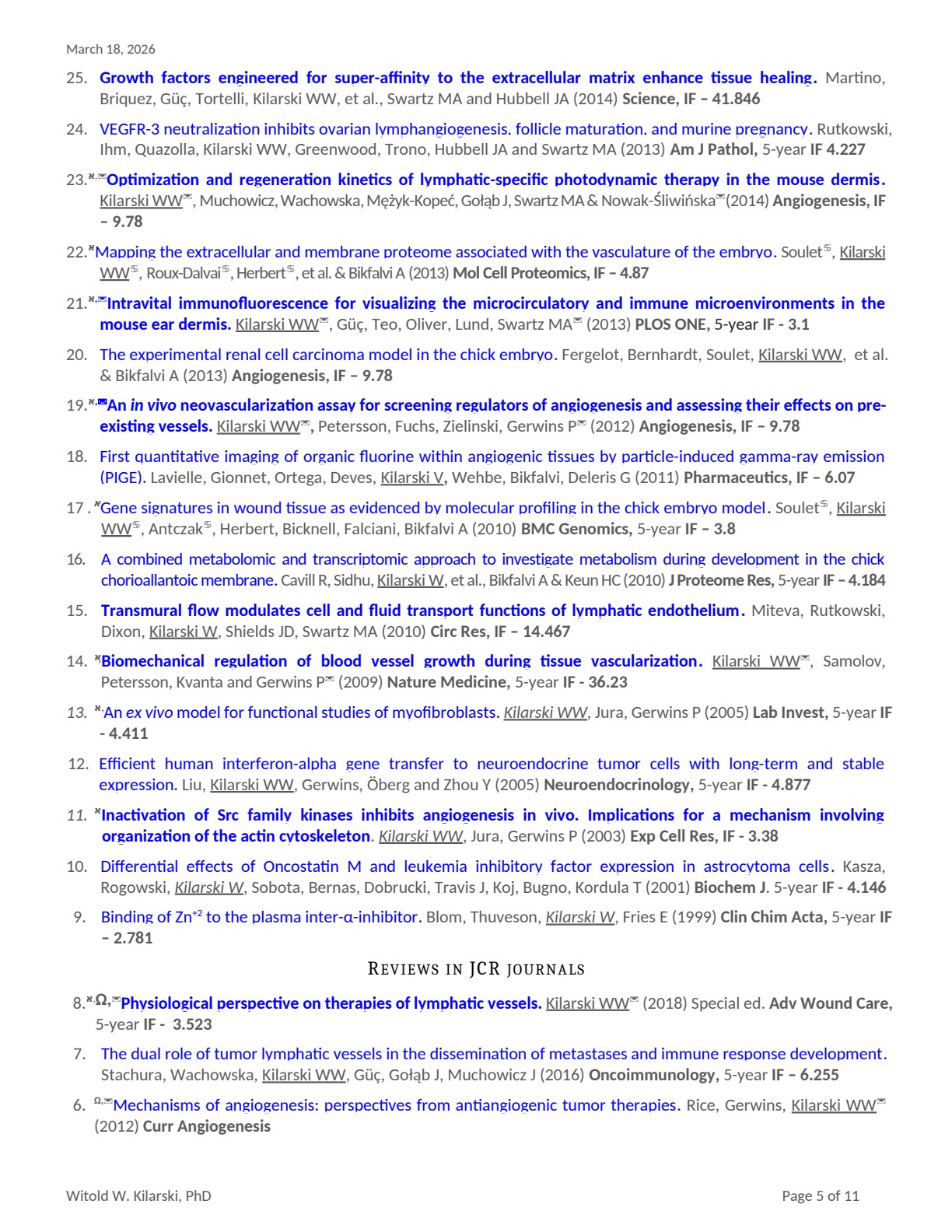
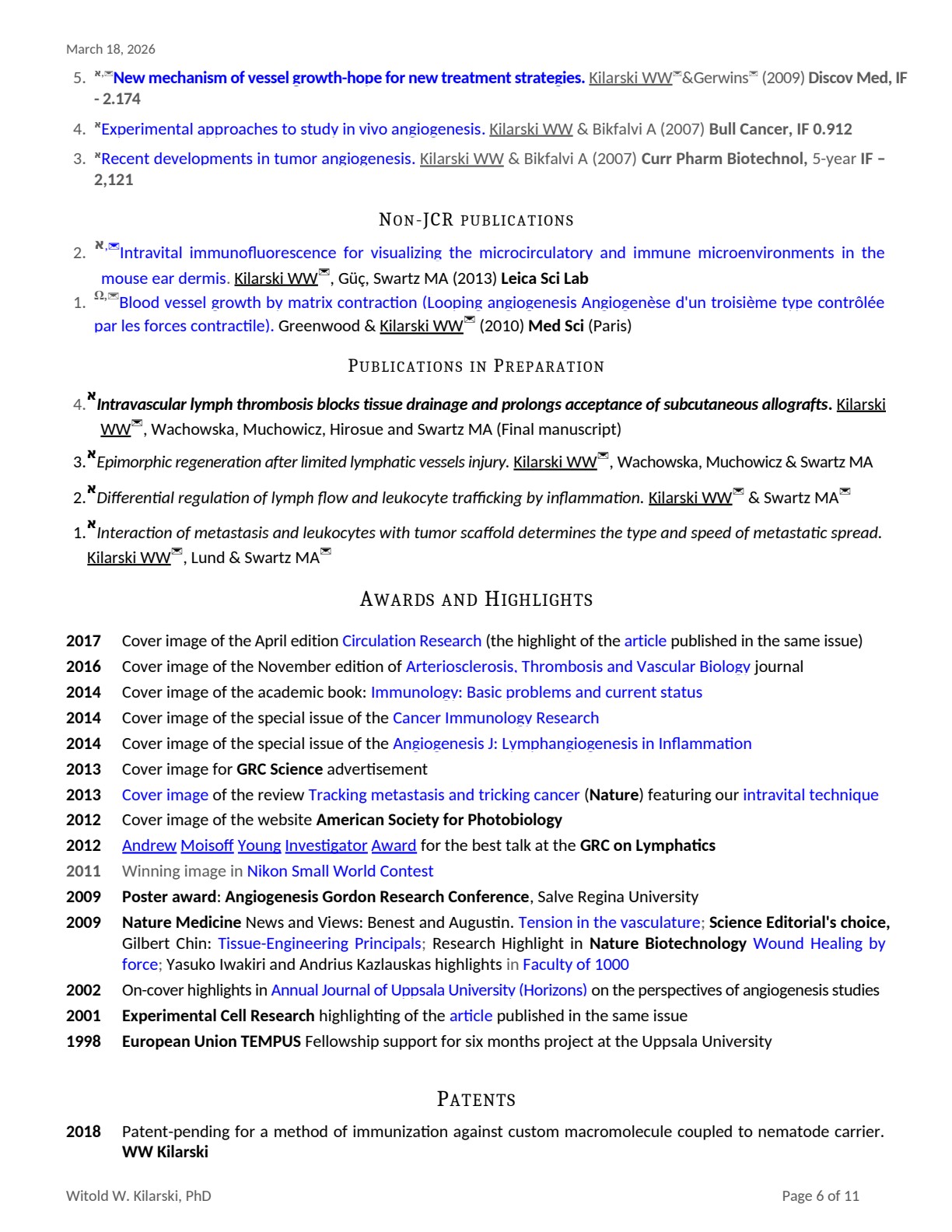
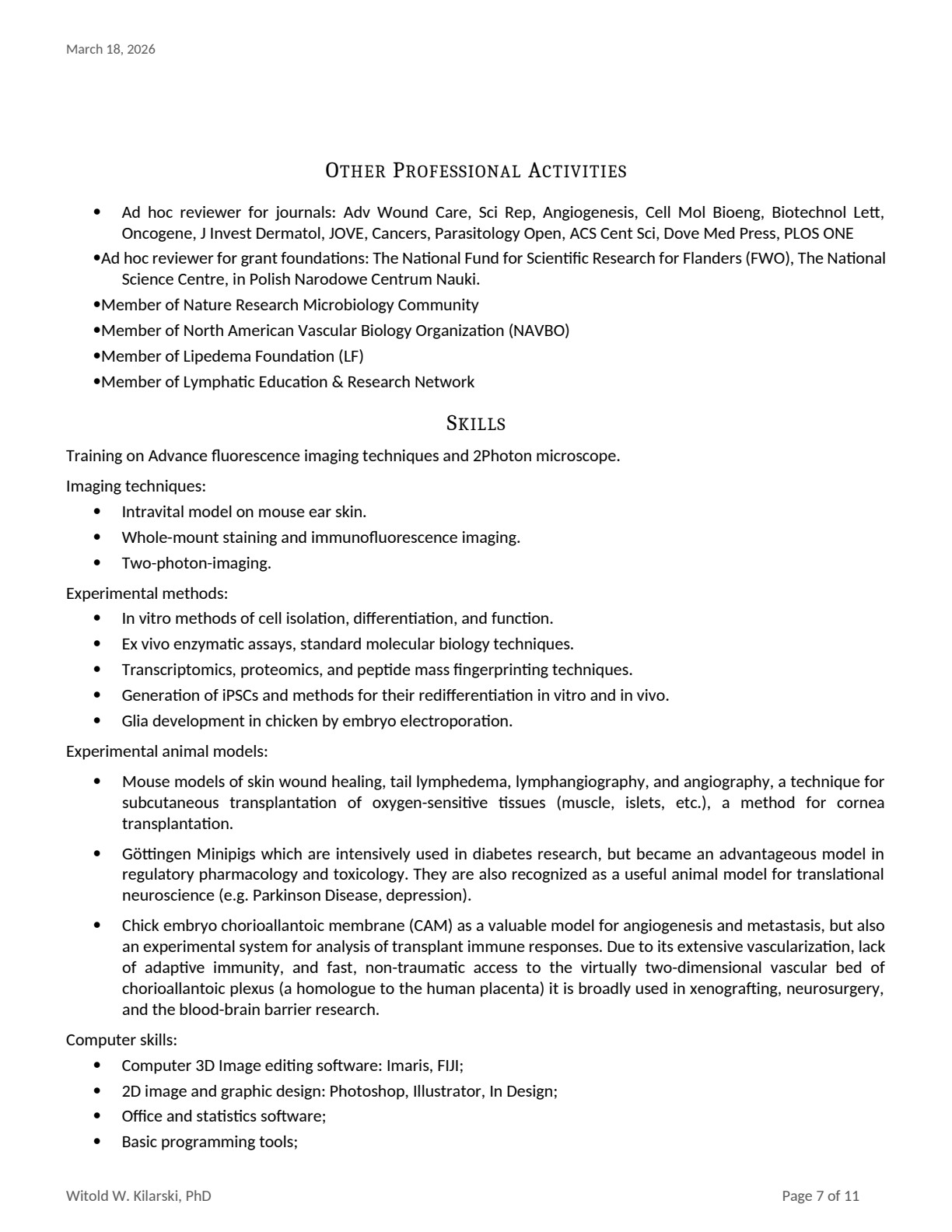
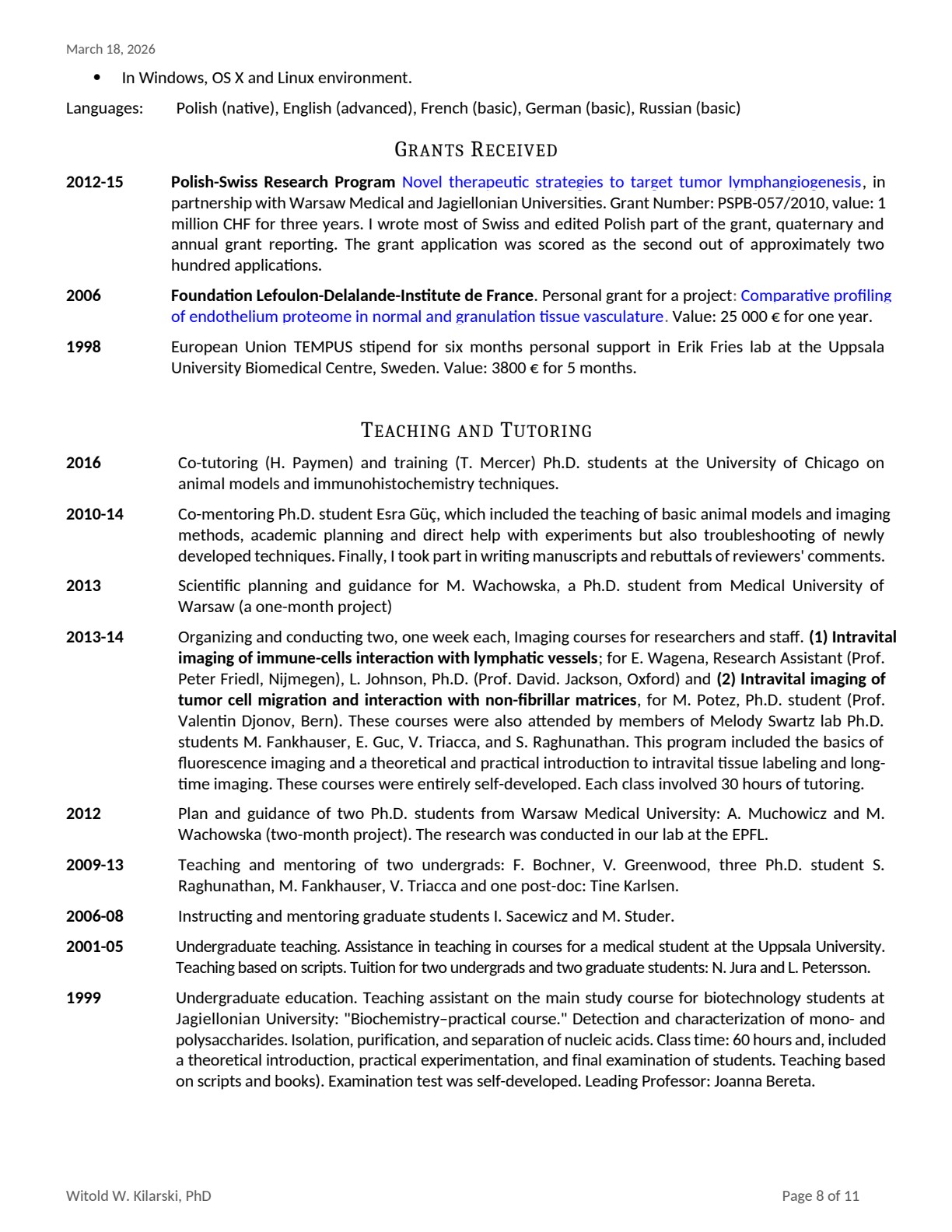
CV and list of scientific publications of Dr. Witold Kilarski — evidence of his research record in lymphatic system biology, biomedical engineering and Type 1 diabetes therapy.
Reference material for media and institutions assessing the substantive credibility of the whistleblower.
The Jagiellonian University's inaction (March 2026 – July 2026)
In spring 2026, Dr. Witold Kilarski addressed a series of letters to the Jagiellonian University (UJ) concerning the situation at the University and the conduct of persons linked to the NCN case — including letters to the Rector of 18 March 2026 and a joint notification sent to both the University and the police on 2 April 2026.
The Jagiellonian University did not respond to any of these letters. No inquiry procedure was opened and no action was taken at either rector or dean level. The UJ's inaction coincided with the prosecutor refusal to open an investigation on 14 April 2026 (file no. 4138-1.Ds.104.2026) — two institutions, acting independently, both closed the path to any examination of the case.
In response, on 19 April 2026 Dr. Kilarski filed an appeal against the prosecutor's decision and a complaint to the supervising prosecutor — both documents are available below.
After months of silence, the Jagiellonian University finally replied to the freedom-of-information request of 15 July 2026. In its letter of 28 July 2026 (file no. 75.0162.67.2026) the University confirmed that Dr. Kilarski's message had been received on 12 March 2025 and that on 17 March 2025 the Vice-Rector for Research had written to Prof. Wiesław Babik, Prof. Zbigniew Błocki and Prof. Włodzimierz Zwonek asking them to respond in writing. Beyond that — according to the letter — no proceedings were opened, no administrative decision was issued and no notification was sent to the NCN or any other institution. The reply does not state whether the three professors' explanations ever arrived, how they were assessed, or how the matter was closed. On 29 July 2026 Dr. Kilarski sent the Rector a formal demand to remedy the breach of law and to issue an administrative decision under art. 16(1) of the Access to Public Information Act.
On the last day of the statutory deadline — in a letter of 29 July 2026 bearing the same file number 75.0162.67.2026 — the Jagiellonian University supplemented its answer to the first question. The University stated that the Vice-Rector for Research, Prof. Wojciech Macyk, having received the explanations from Prof. Wiesław Babik, Prof. Zbigniew Błocki and Prof. Włodzimierz Zwonek, took no further action in the case. This is the first written confirmation that the three professors' explanations did in fact arrive — and that, after reading them, the University took none of the paths provided for in art. 282 of the Law on Higher Education and Science, nor did it consider opening proceedings ex officio under art. 287(2)(5) and (6) of that Law. The supplement gives neither the dates on which the explanations arrived nor their content, and does not address the remaining questions — in particular the question about the disciplinary ombudsman and the ethics committee, and question 5, on which no administrative decision has still been issued.
Documents
- 1.
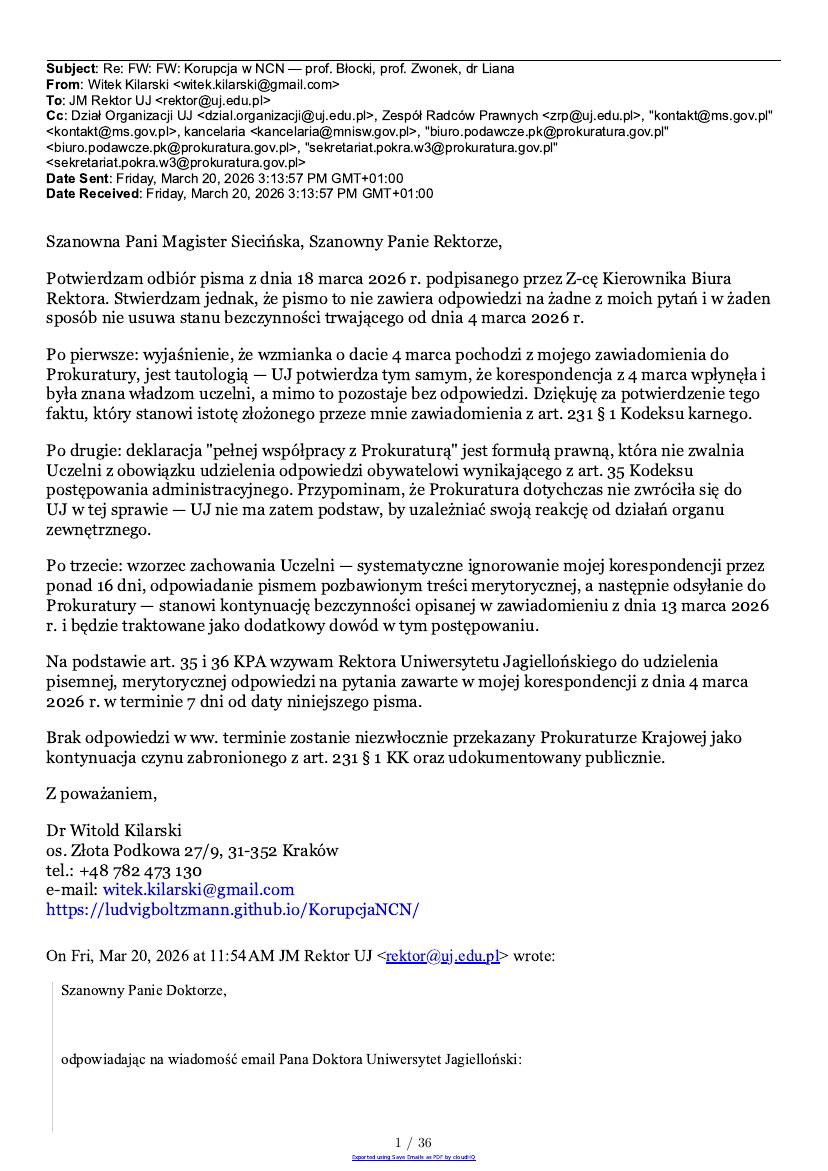 Emails to the UJ Rector — 18 March 2026PDF
 - 2.
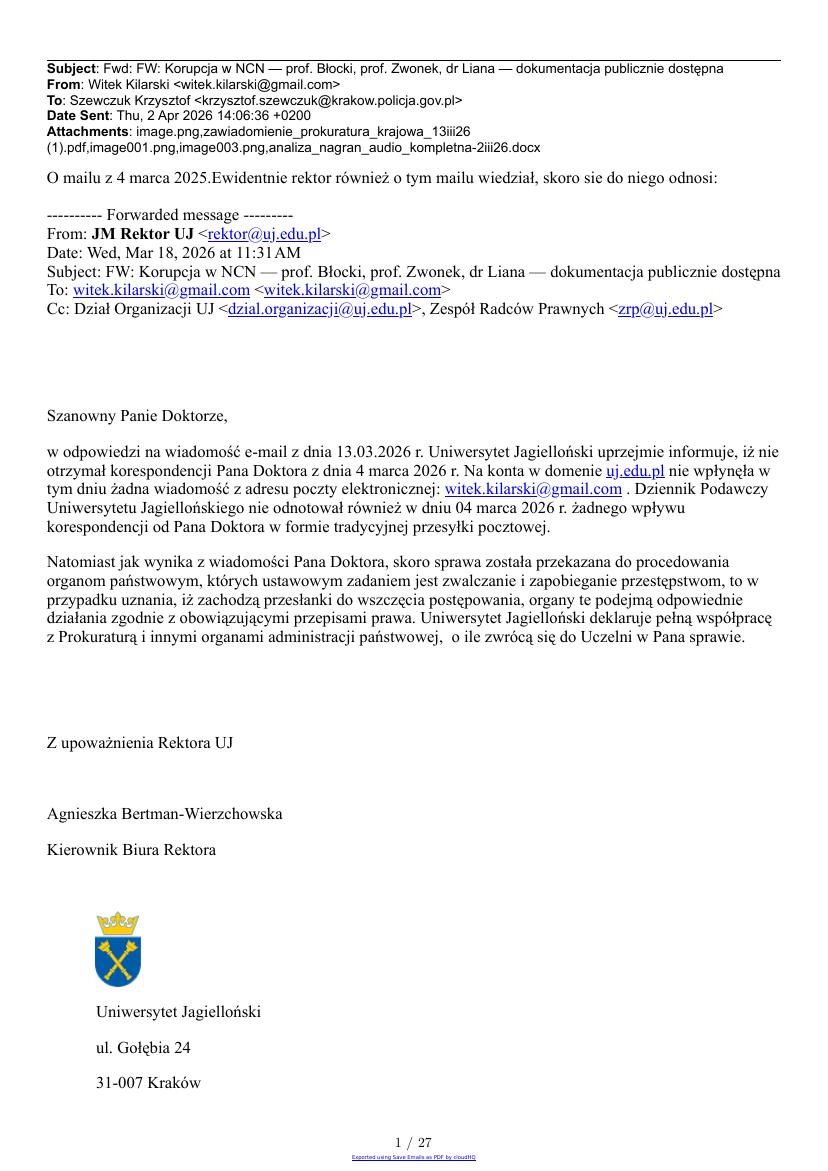 Notification to UJ and police — 2 April 2026PDF
 - 3.
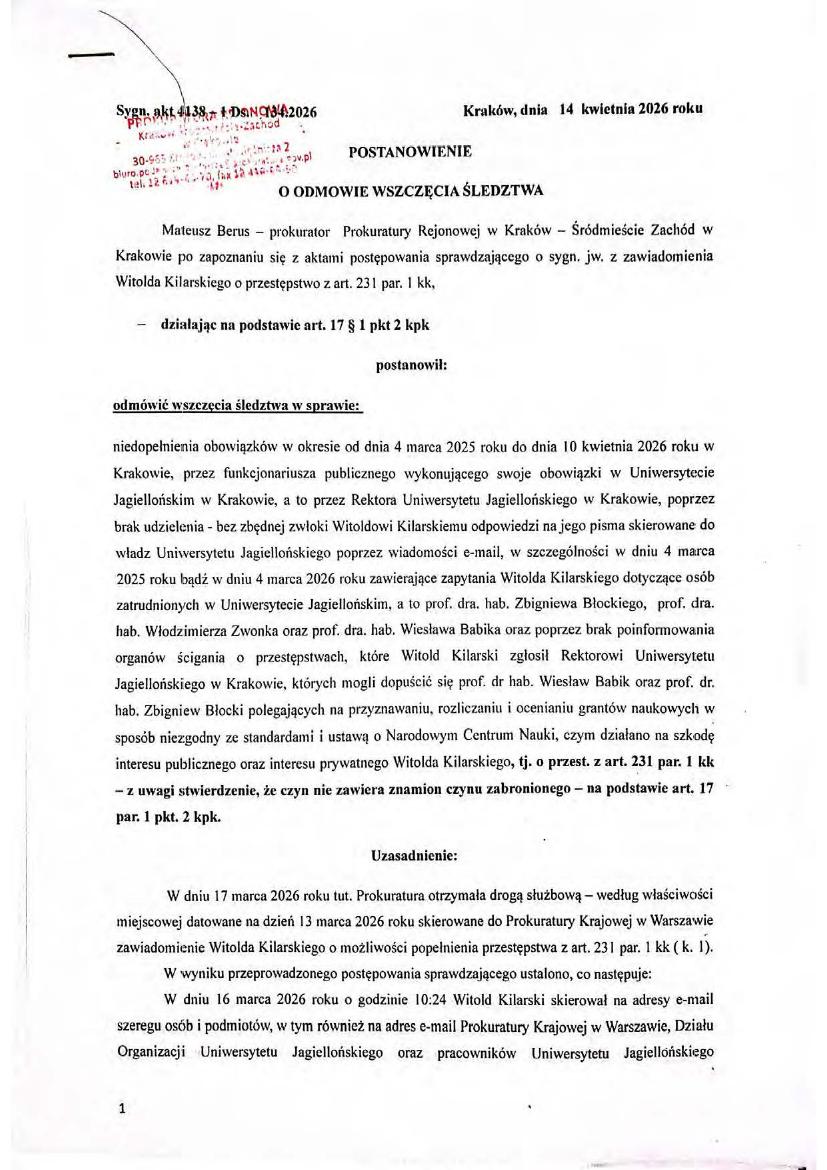 the prosecutor's decision — 14 April 2026 (refusal)PDF
 - 4.
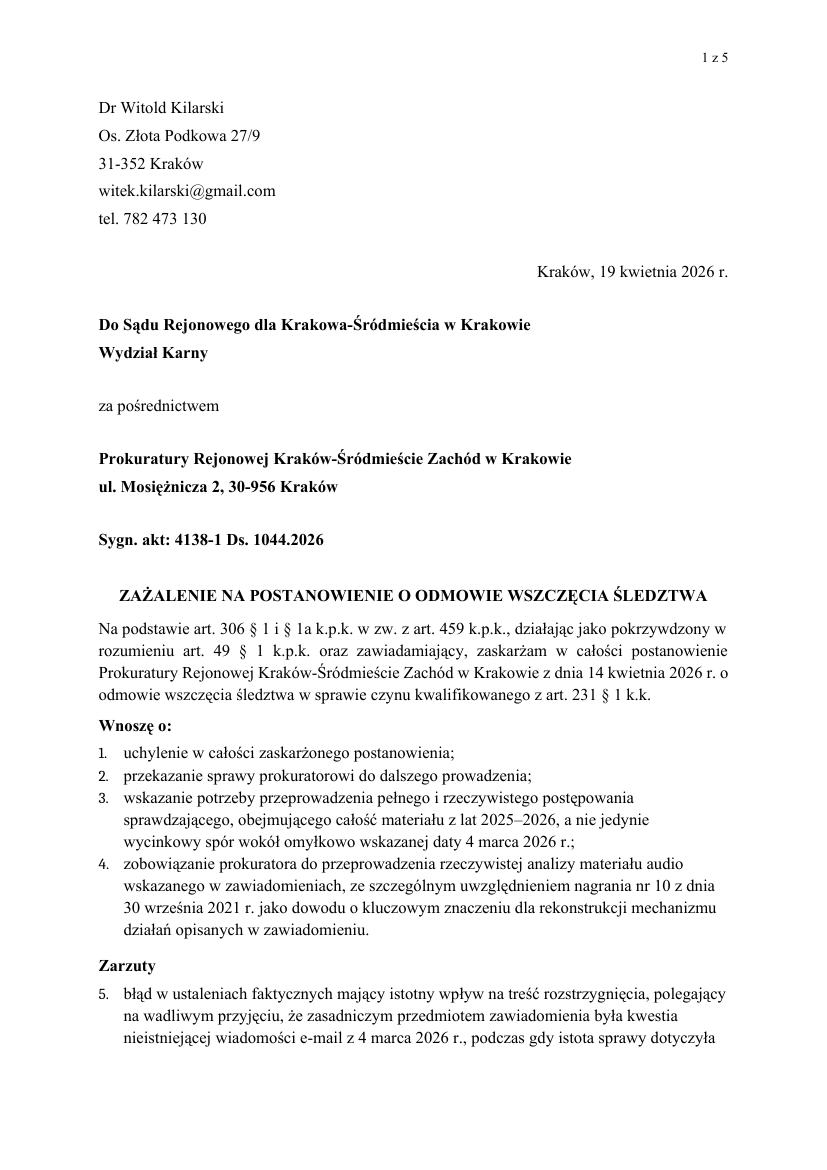 Appeal against the prosecutor's decision — 19 April 2026PDF
 - 5.
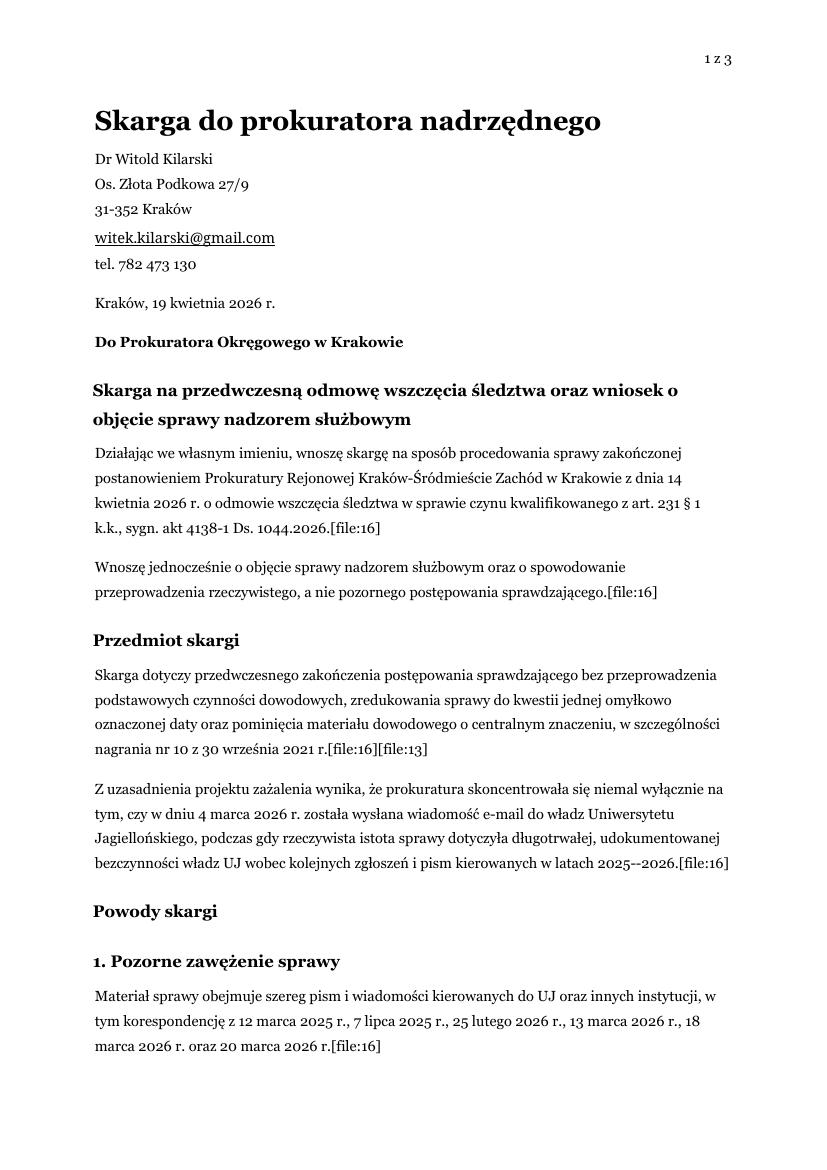 Complaint to the supervising prosecutor — 19 April 2026PDF
 - 6.
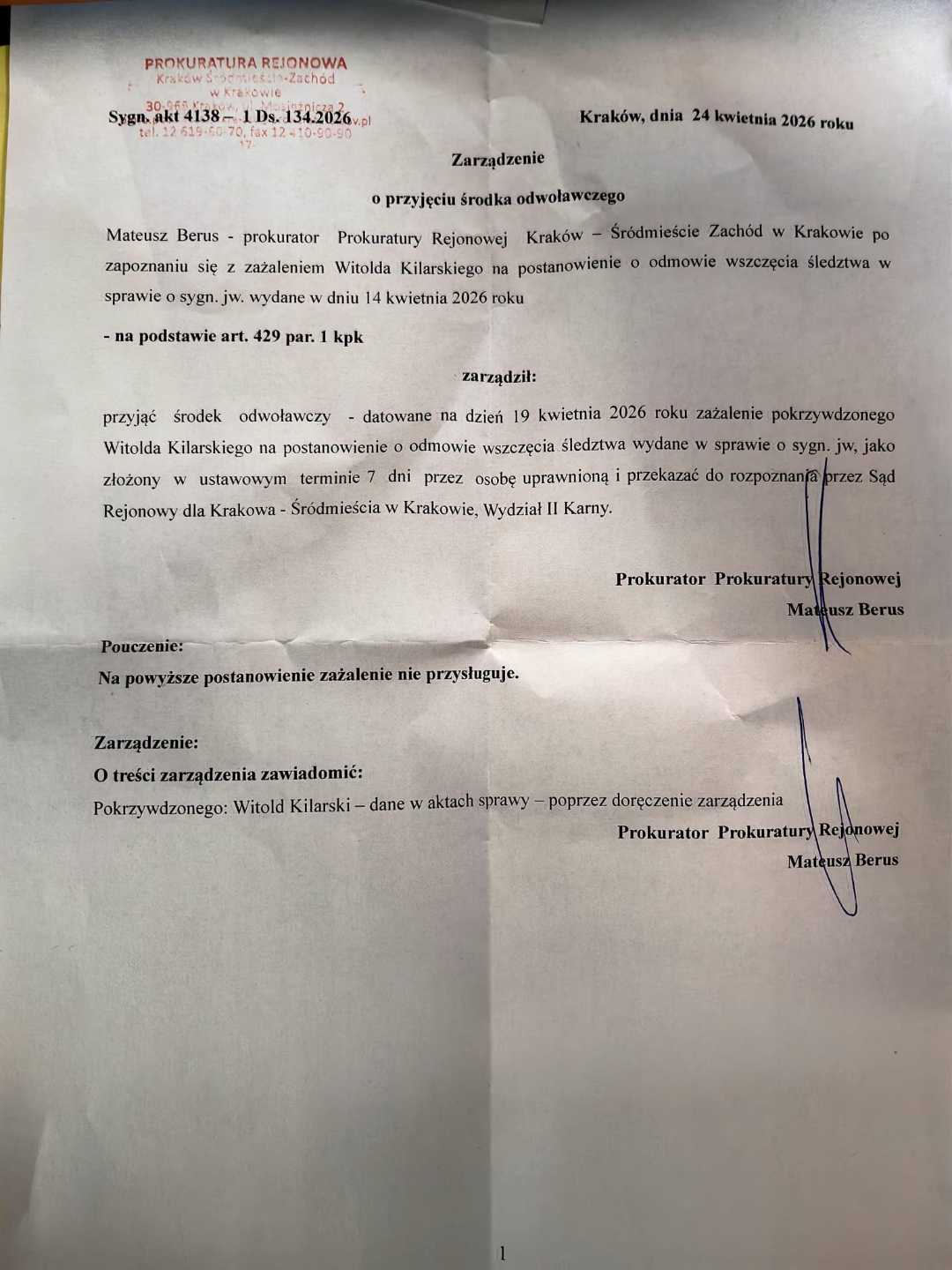
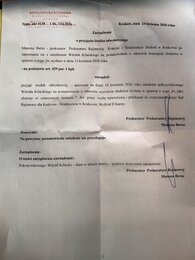 Order accepting the appeal — 24 April 2026JPG
 - 7.
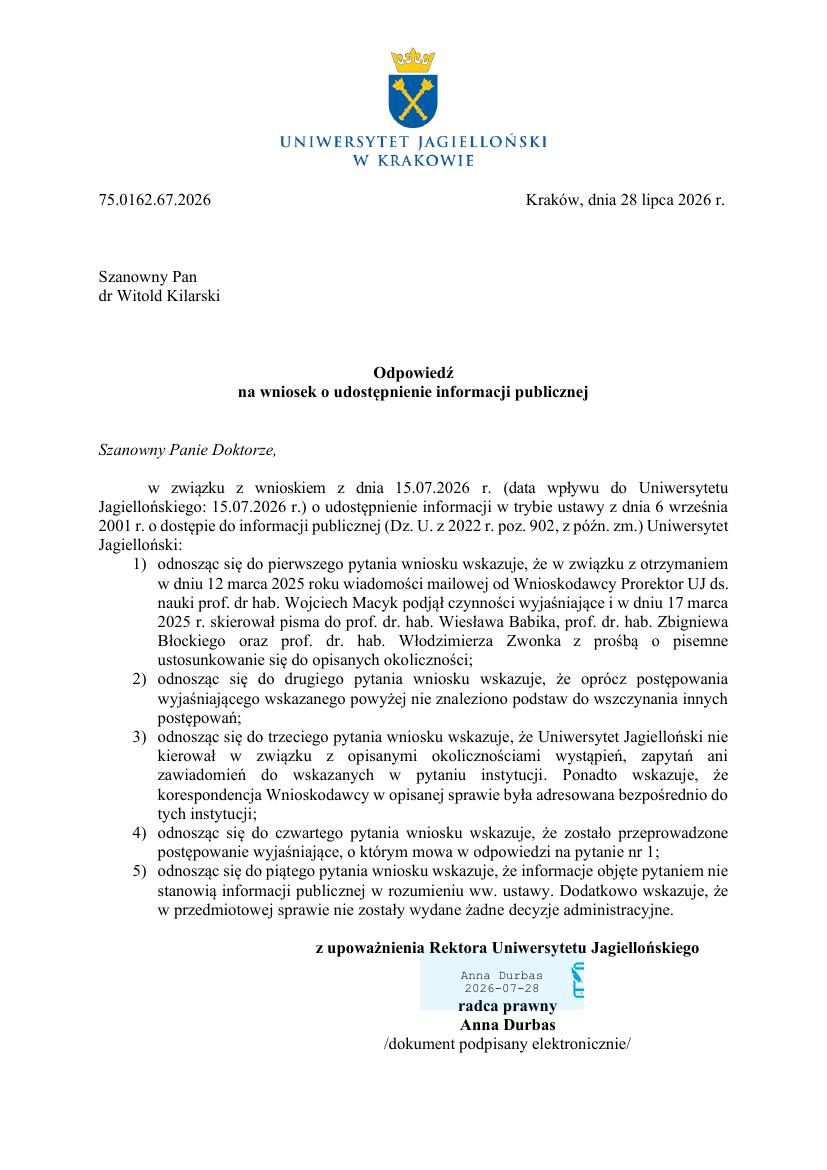 UJ's reply to the freedom-of-information request — 28 July 2026 (file no. 75.0162.67.2026)PDF
 - 8.
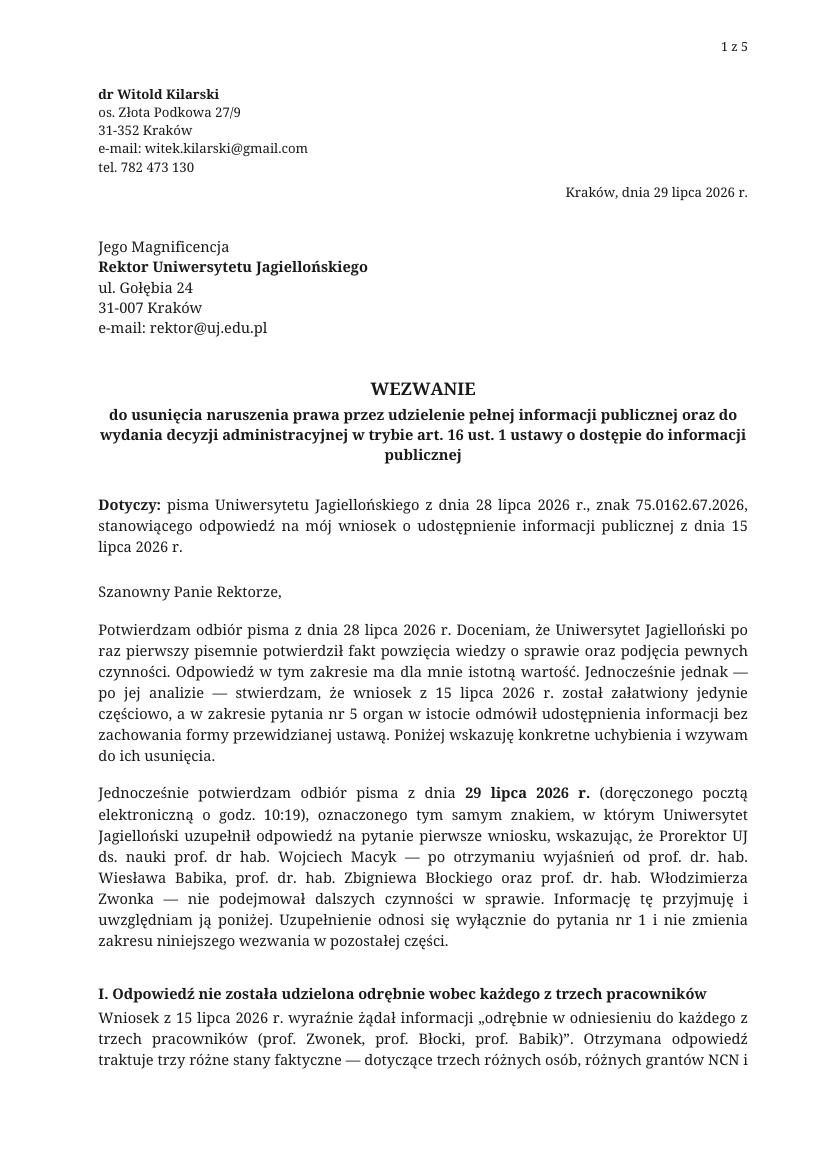 Demand to remedy the breach of law — 29 July 2026PDF
 - 9.
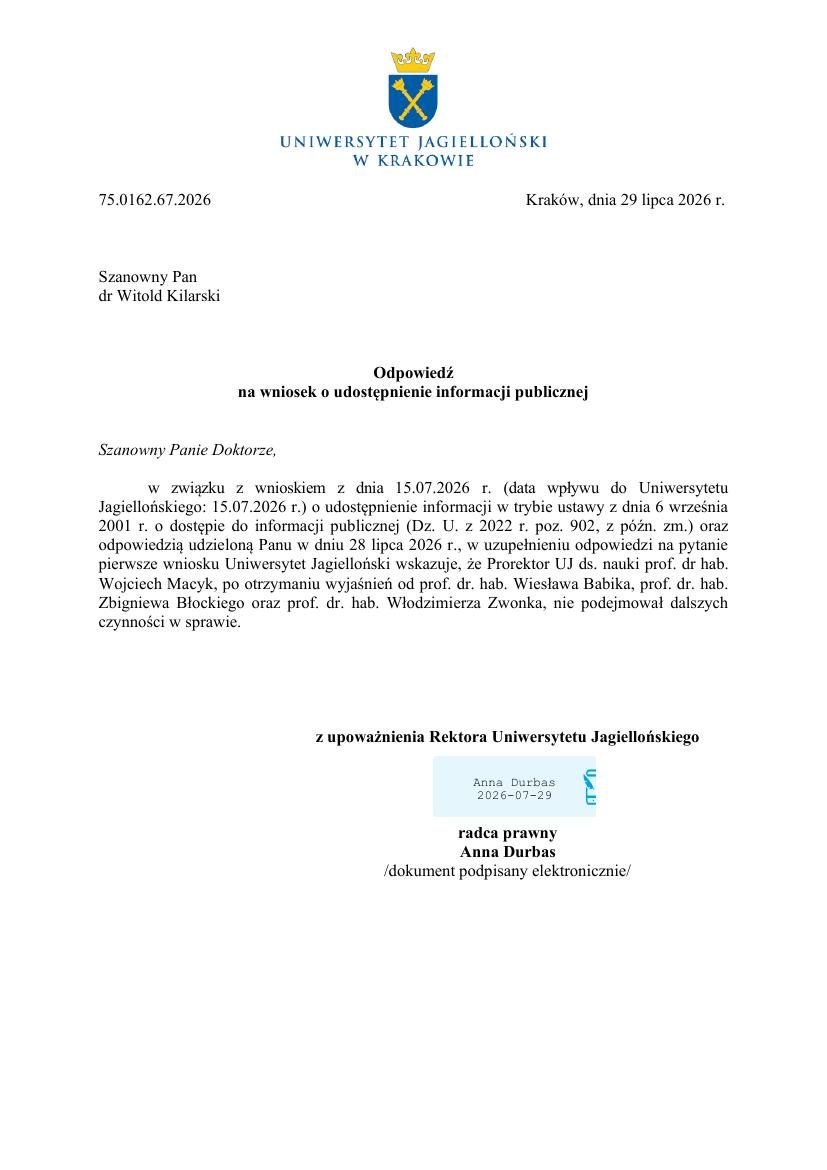 Supplement to UJ's reply — 29 July 2026 (file no. 75.0162.67.2026)PDF
The first batch of emails to the UJ Rector — notifying the situation and requesting a reaction.
No reply from the University's authorities.
A joint notification addressed simultaneously to UJ and the police — a two-track attempt to trigger a procedure.
UJ did not reply; the police forwarded the case to the prosecutor's office (file 4138-1.Ds.104.2026).
the prosecutor's decision refusing to open an investigation (file 4138-1.Ds.104.2026).
The decision was issued at a moment when UJ still had not responded to any of Kilarski's letters.
Dr. Kilarski's appeal against the prosecutor's decision of 14 April 2026.
The appeal identifies evidentiary gaps in the decision's reasoning and the omission of the UJ inaction context.
Administrative complaint addressed to the supervising prosecutor — in parallel with the appeal.
A two-track legal strategy: an appeal under the Code of Criminal Procedure and an administrative complaint within the supervisory chain.
Order of the prosecutor accepting the appeal (24 April 2026) — the case is transferred to the District Court for Kraków-Śródmieście, 2nd Criminal Division.
The prosecutor confirmed the appeal was filed within the 7-day statutory deadline and by an entitled party — the case proceeds to the independent criminal court (art. 429 § 1 CCP). File no. 4138-1 Ds. 134.2026.
The first written response from the UJ authorities in this matter — following the freedom-of-information request of 15 July 2026.
UJ confirms it has known about the matter since 12 March 2025 and that the Vice-Rector sent three letters on 17 March 2025; it identifies no further action, no proceedings and no notification of any external institution. The reply was signed by an in-house counsel on the Rector's authority.
Dr. Kilarski's response to UJ's letters of 28 and 29 July 2026.
The demand invokes art. 282 and art. 287(2)(5) and (6) of the Law on Higher Education and Science, points to the internal contradiction in UJ's letter, and to the absence of the administrative decision required by art. 16(1) of the Access to Public Information Act. Deadline given: 7 days.
The University's second letter in two days, sent on the last day of the fourteen-day statutory deadline under art. 13(1) of the Access to Public Information Act.
UJ admits that Vice-Rector Wojciech Macyk received explanations from all three professors and took no further action. The very word "supplement" confirms that the reply of 28 July 2026 did not fulfil the request in full.
Case against the former NCN Director Zbigniew Błocki, Prof. Wiesław Babik (UJ) and NCN Deputy Director Marcin Liana
This is the original and broadest documentation strand: parallel criminal and civil proceedings concerning the operations of Poland's National Science Centre (NCN) during the directorship of Prof. Zbigniew Błocki (NCN Director, March 2015 – 2023). Also relevant: Prof. Wiesław Babik (UJ), Deputy Director Marcin Liana, and the Dean of UJ's Mathematics Institute (2016–2024) Prof. Włodzimierz Zwonek.
Topics include: conflicts of interest in grant evaluation and reporting (in particular OPUS no. 2015/17/B/ST1/00996), irregularities in the inquiry concerning expert Manfred Mudelsee, hidden NCN correspondence with the Supreme Audit Office (NIK), criminal and civil cases ref. II K 321/23/P and I C 1671/22, and the Kraków District Prosecutor's decisions (ref. 4135-1.Ds.96.2022).
Below: documents already published on this site, grouped thematically for easier navigation.
Substantive documentation and evidence
- 1.Conflicts of interest — Błocki / Babik / Liana / ZwonekPDF
- 2.Email chronology — NCN casePDF
- 3.
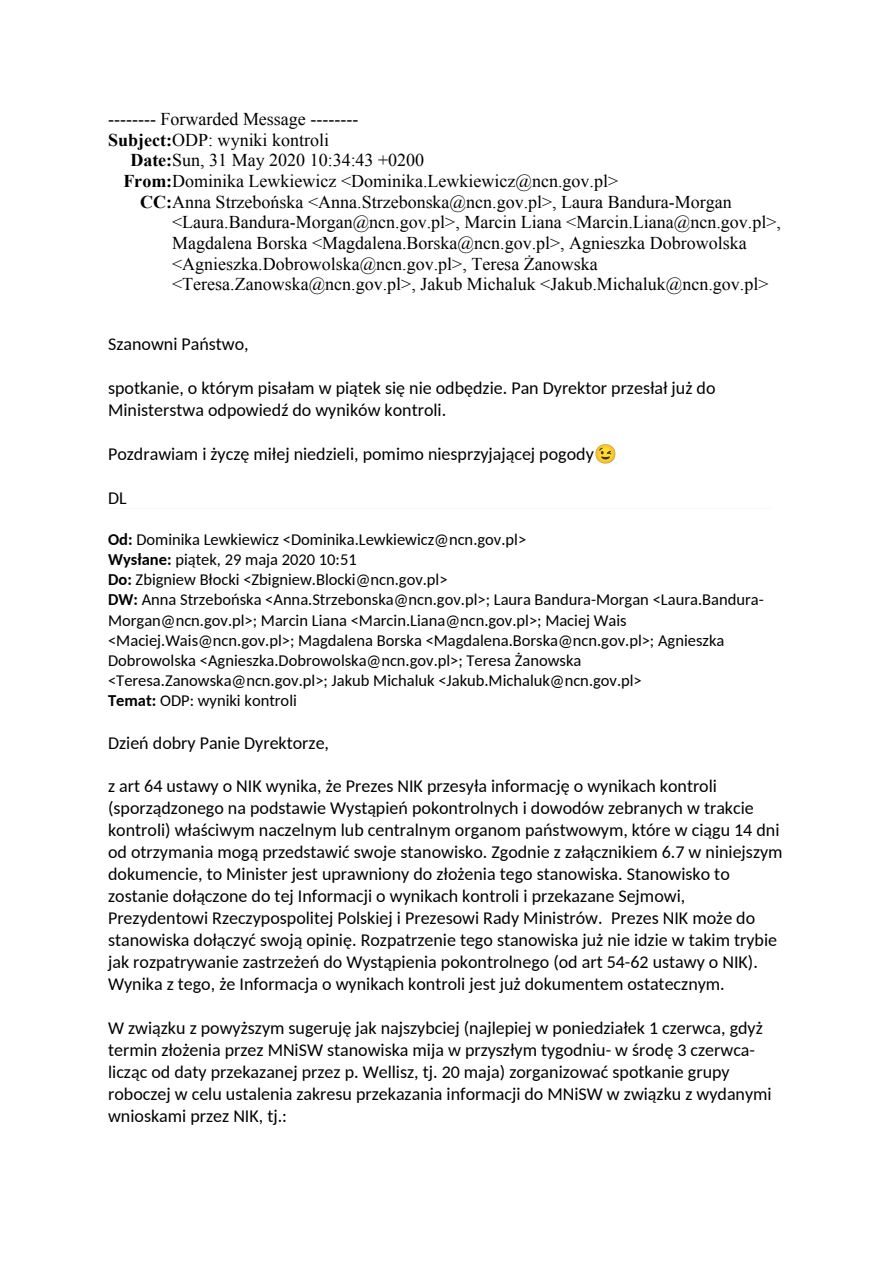 Błocki's hidden reply to NIKPDF
 - 4.Audio recordings — full analysisPDF
Court and prosecutor filings
- 5.Criminal appeal — case II K 321/23/PPDF
- 6.Evidentiary motions — appellate proceedingsPDF
- 7.Appeal supplement — case I C 1671/22PDF
- 8.Motion to reopen — file 4135-1.Ds.96.2022PDF
- 9.the prosecutor (earlier case) decision — discontinuancePDF
NCN context: Mudelsee, NCN Council, NIK audit
- 10.
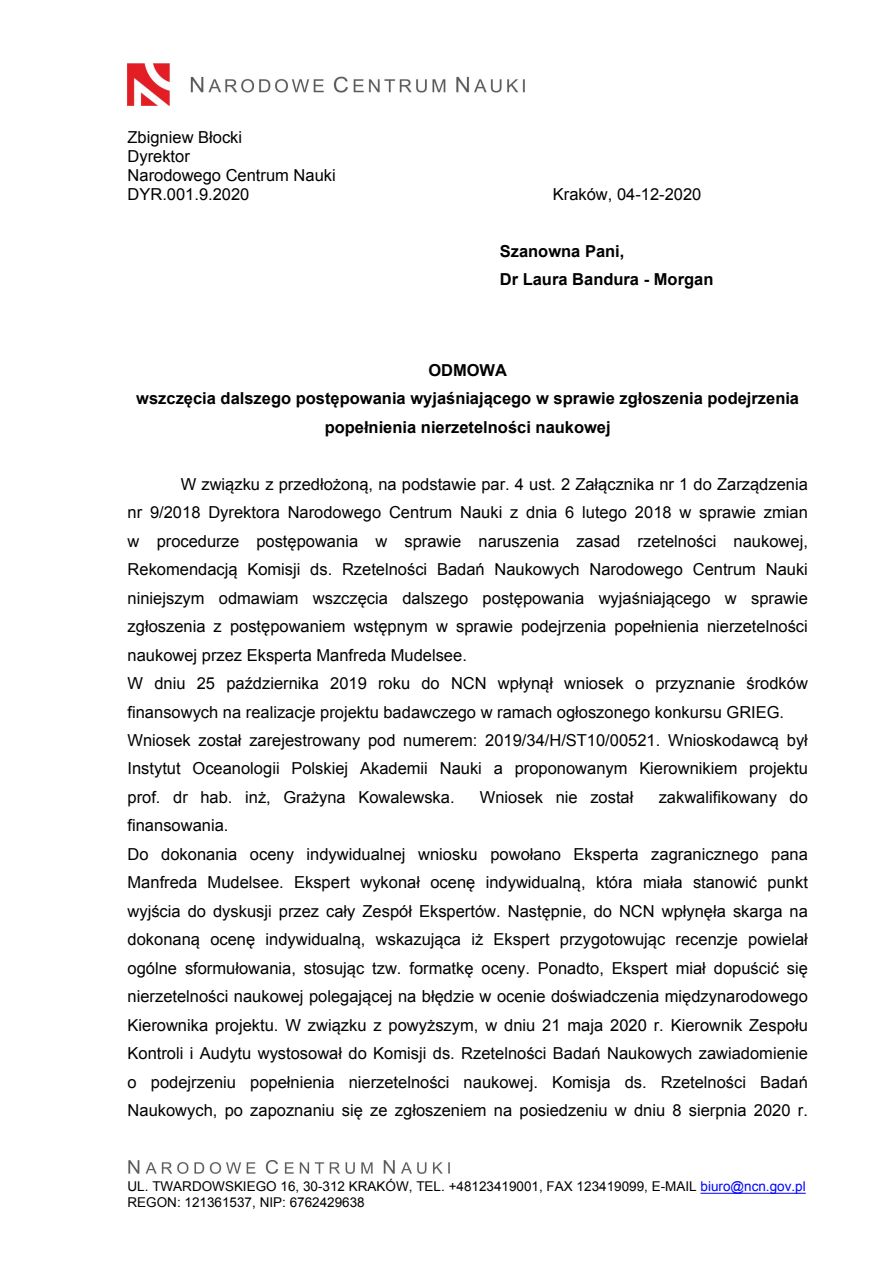 Błocki's refusal — Mudelsee inquiry (04 Dec 2020)PDF
 - 11.
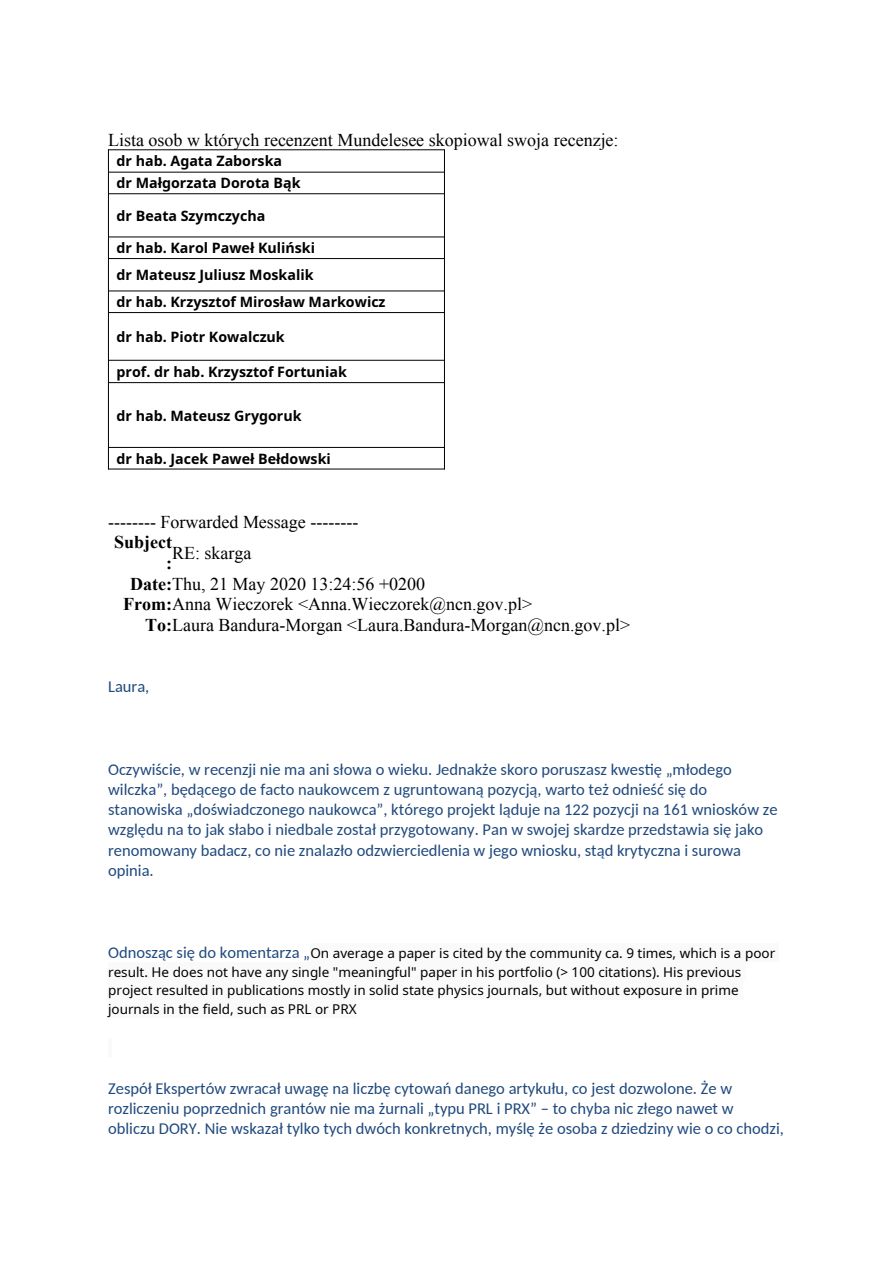 Mudelsee — copy-pasted reviewsPDF
 - 12.
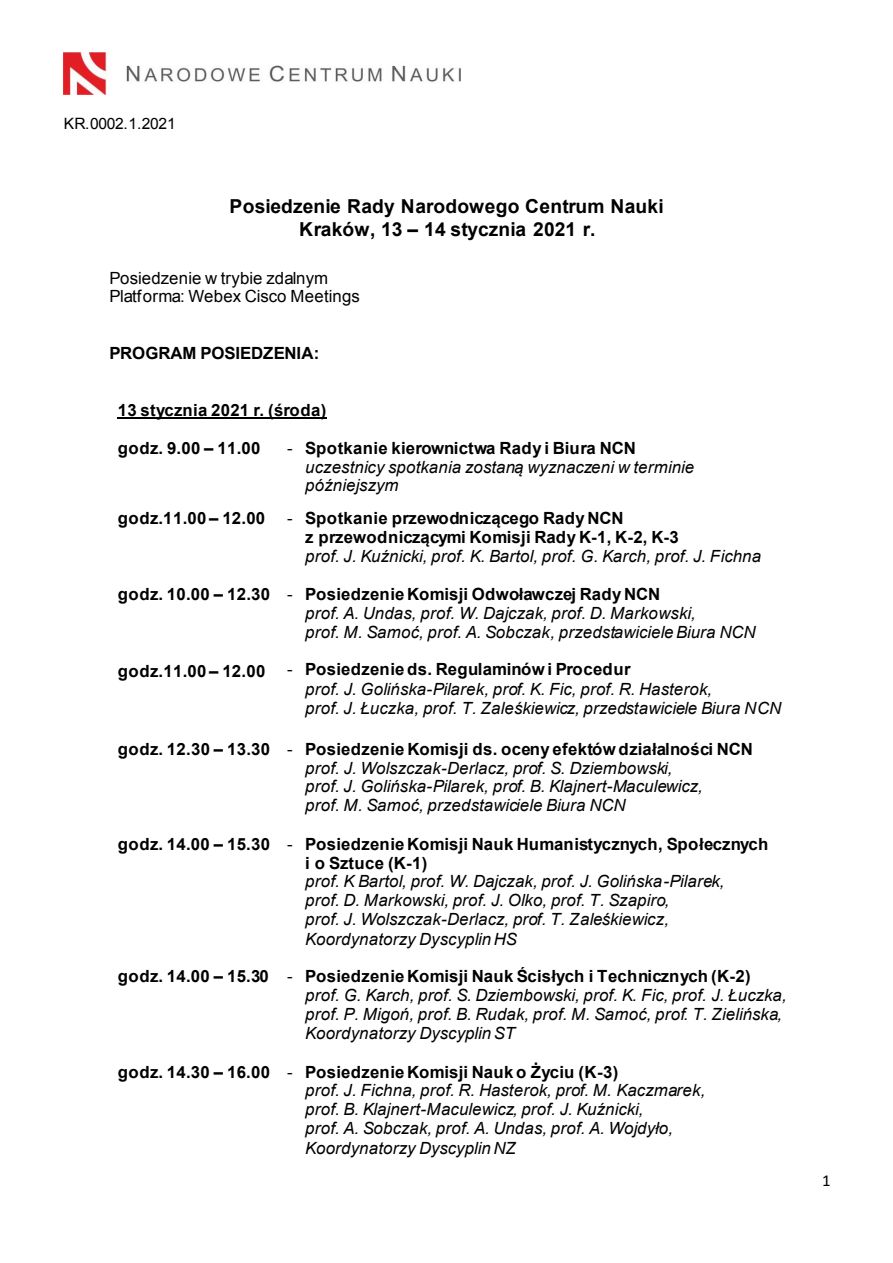 NCN Council meeting — January 2021PDF
 - 13.
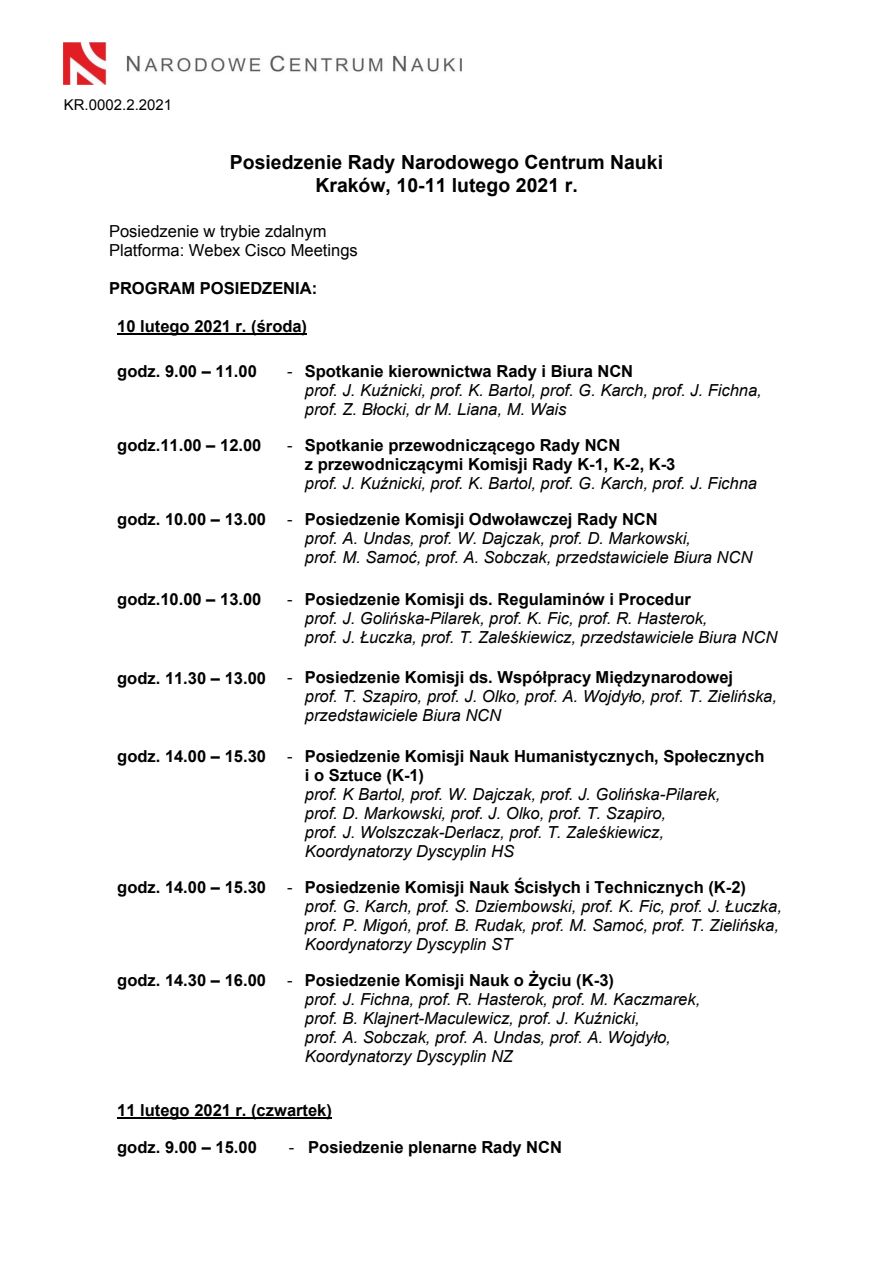 NCN Council meeting — February 2021PDF
 - 14.
 NIK audit — basic research fundingPDF
WUM cuts me off after the NCN Director's letter — one email that says it all
A single email — the trigger that set off the avalanche. On 11 March 2022, Anetta Pszczołowska, Manager of the Project Support Department at the Medical University of Warsaw (WUM), informs me that, in reply to a letter from the Director of the National Science Centre (NCN), WUM officially distances itself from my actions and will not sign the request for reconsideration to the NAWA Director (Polskie Powroty 2021).
In other words: a single letter from the NCN Director to another university is enough to block my ability to appeal in a grant competition — with no proceedings, no hearing, no due process.
On Fri, Mar 11, 2022 at 3:44 PM Anetta Pszczołowska wrote:
Dear Sir,
From WUM's legal counsel, Mr Wojciech Rajchel, I have been informed that in December last year unsuccessful attempts were made to contact you regarding, among other things, the application for NAWA funding submitted in the Polskie Powroty competition.
In view of the lack of explanations from your side, a reply was sent to the letter of the Director of the National Science Centre, according to which any of your actions from the date of that letter will not be considered actions on behalf of the Medical University of Warsaw.
Accordingly, Vice-Rector Professor Pruszczyk informed me that the Medical University of Warsaw will not sign the request for reconsideration to the NAWA Director.
Z poważaniem / Regards,
Anetta Pszczołowska, MBA
Manager of the Project Support Department
Medical University of Warsaw
tel. (+48) 22 57 20 469
www.pnitt.wum.edu.plSource: Fwd: ODP: POLSKIE POWROTY 2021, p. 2 of 18 (10/10/2022, 15:06).
Document
- 1.Email from Anetta Pszczołowska (WUM) — 11 March 2022, 3:44 PMHTML
Full text of Anetta Pszczołowska's (WUM) email of 11 March 2022 — preview and download.
The email documents the moment when a letter from the NCN Director translates directly into a decision by the host institution — cutting off my route to appeal in the NAWA Polskie Powroty 2021 competition.
NCN ignores serial (machine-style) review writing — the Manfred Mudelsee case
The case shows how NCN protected a foreign expert who submitted serially duplicated, near-machine-generated reviews for multiple grant applications in the GRIEG programme. Expert Manfred Mudelsee used identical text templates to evaluate different researchers, sometimes giving high marks and sometimes low marks using the same copied phrases. Despite formal notice, the NCN leadership chose to ignore the problem.
Despite NN's formal complaint to the Research Integrity Commission, NCN Director Zbigniew Błocki officially refused to investigate, claiming the expert's behavior did not constitute "scientific misconduct." The decision came on the same day Błocki was secretly preparing NCN's response to the NIK (Supreme Audit Office) audit that criticized NCN's control procedures.
Documents
- 1.
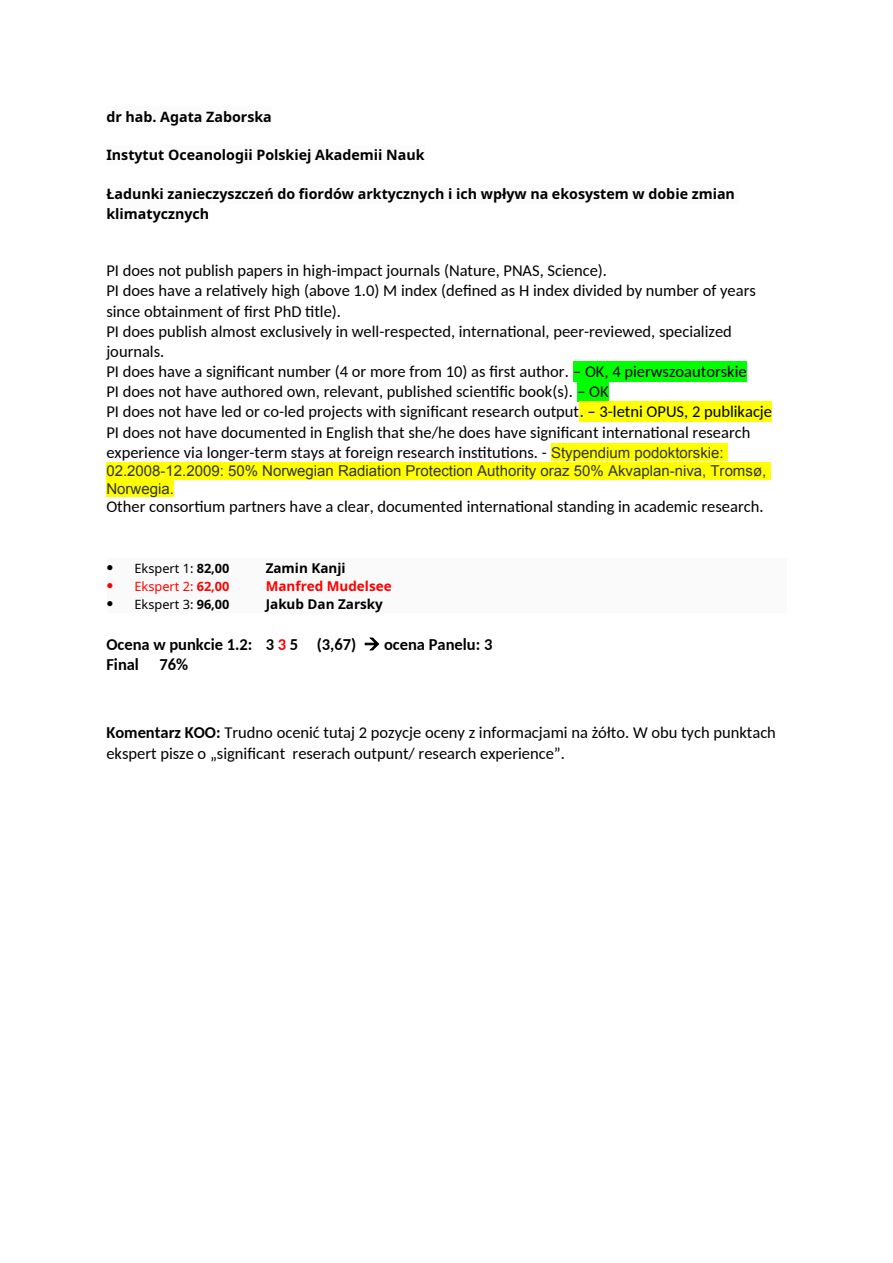 Analysis of Mudelsee's copy-paste reviews across multiple GRIEG applications (Zaborska, Grabiec, Bąk, Szymczycha)DOCX
 - 2.Internal NCN emails — NN raised concerns about improper expert reviews. Anna Wieczorek's dismissive response.DOCX
- 3.Official NCN document (signed by Błocki, 04.12.2020) REFUSING to investigate Mudelsee's misconductPDF
- 4.Błocki's secret reply to NIK control results, sent 29 May 2020 (same day as the alleged blackmail!)DOCX
- 5.
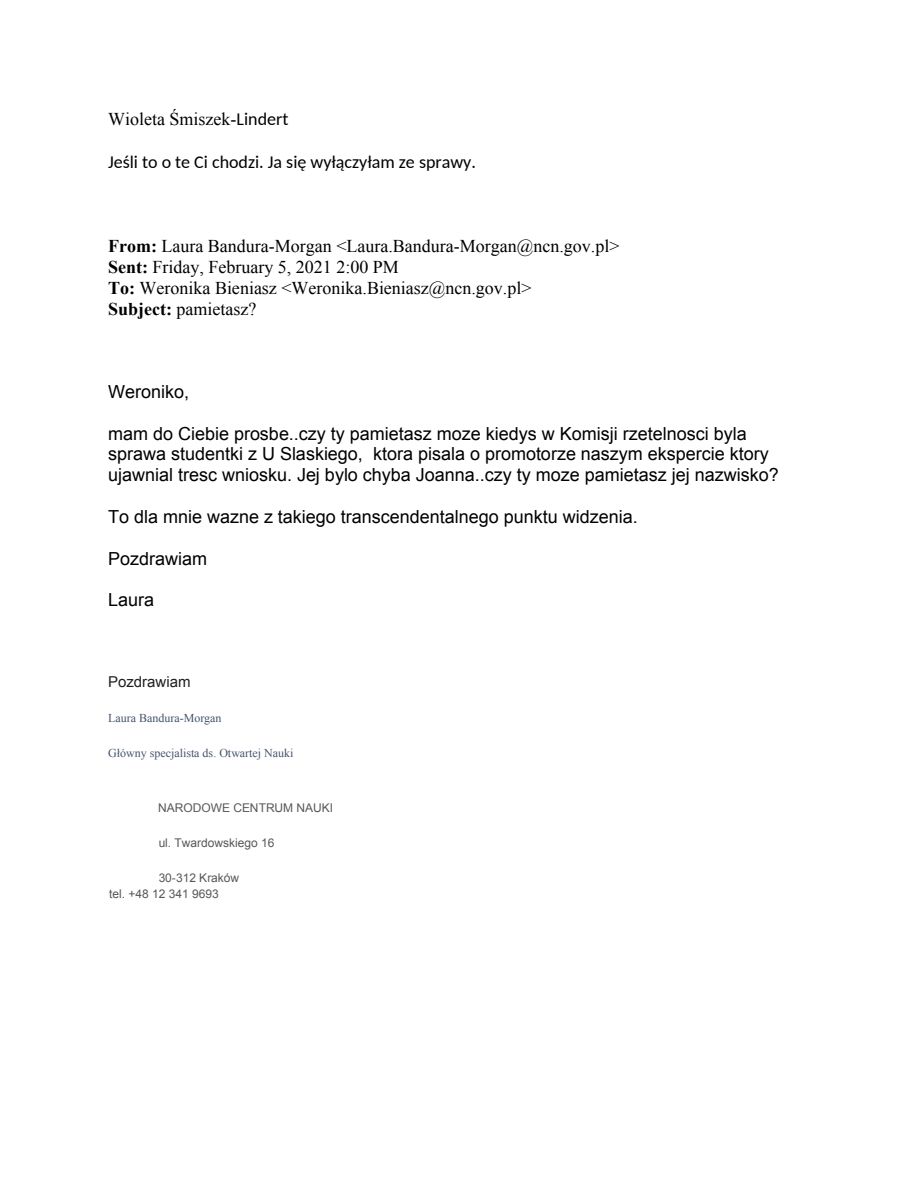 Internal NCN emails about NIK control — NN asks about a student who reported an expert disclosing grant contentsDOCX
 - 6.Full NIK audit report on NCN funding of basic researchPDF
- 7.NCN Council meeting program, 13–14 January 2021 — appointing Commission for Research IntegrityPDF
- 8.NCN Council meeting program, 10–11 February 2021PDF
An analysis of Mudelsee's reviews — identical text fragments used in reviews of multiple GRIEG applications (Zaborska, Grabiec, Bąk, Szymczycha).
A side-by-side comparison shows that the same sentences — sometimes with additions, sometimes unchanged — evaluate different researchers, undermining the independence of expert assessment.
Internal NCN emails — NN formally raises irregularities in Mudelsee's reviews.
Anna Wieczorek's reply is dismissive, showing that NCN internalised the problem rather than resolving it.
An official NCN letter signed by Director Błocki (4 December 2020) — REFUSAL to investigate the charge of disciplinary misconduct against Mudelsee.
The date of the letter is telling — it is issued on the same day Błocki is preparing NCN's secret reply to the NIK audit.
Director Błocki's secret reply to the NIK audit findings — sent on 29 May 2020, the same day as the ultimatum conveyed through NN.
The coincidence of dates is not accidental: NIK criticism and the Kilarski alleged blackmail are two lines of action from the same day.
Internal NCN emails about the NIK audit — NN asks about a student who reported an expert disclosing the contents of an application.
The emails show that NN tried formally to trigger an inquiry procedure but was brushed off by management.
The full NIK audit report on NCN's funding of basic research — a public audit document.
The report criticises NCN procedures; the Mudelsee case is a concrete instance of the problem described by the auditors.
Programme of the NCN Council meeting of 13–14 January 2021 — appointing the Commission for Research Integrity.
The commission is appointed after the Mudelsee case, but its work did not lead to an actual disciplinary proceeding.
Programme of the NCN Council meeting of 10–11 February 2021 — a further session against the backdrop of the Mudelsee case.
Comparing the agendas of both meetings shows that the integrity of reviews was not addressed substantively.
Key Dates
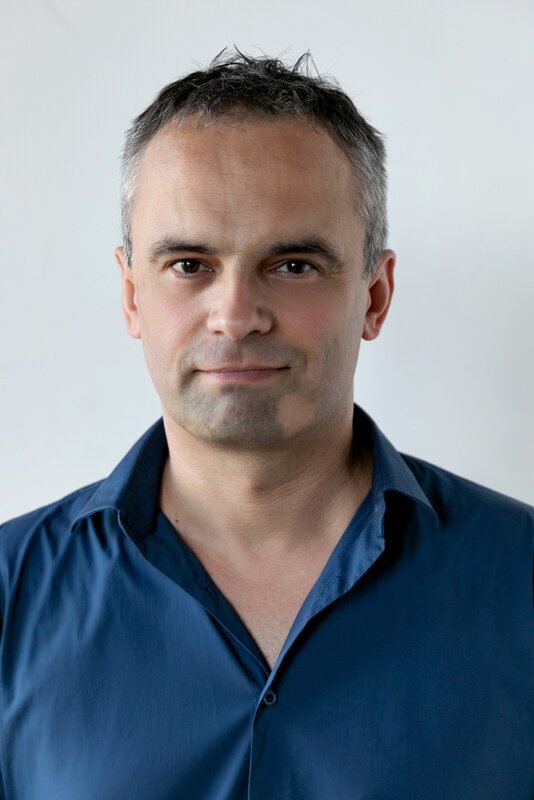
Dr Witold Kilarski
Biologist specialising in lymphatic system research. He received his PhD from Uppsala University (Sweden). He worked as a postdoc at EPFL Lausanne (Switzerland) and University of Bordeaux (France), then as Research Assistant Professor at the Department of Biomedical Engineering, University of Chicago (USA), in Prof. Melody Swartz's laboratory.
For over a decade, he conducted research on lymphatic vessel biology, publishing in international scientific journals. After returning to Poland in 2020, he applied for a NAWA grant to research the treatment of Type 1 Diabetes.
Currently unemployed — as a result of NCN's actions and Director Błocki's interference, his scientific career has been destroyed. Instead of conducting research on curing diabetes, he is forced to defend himself in court proceedings initiated by the institution that should support science.
Curriculum Vitae
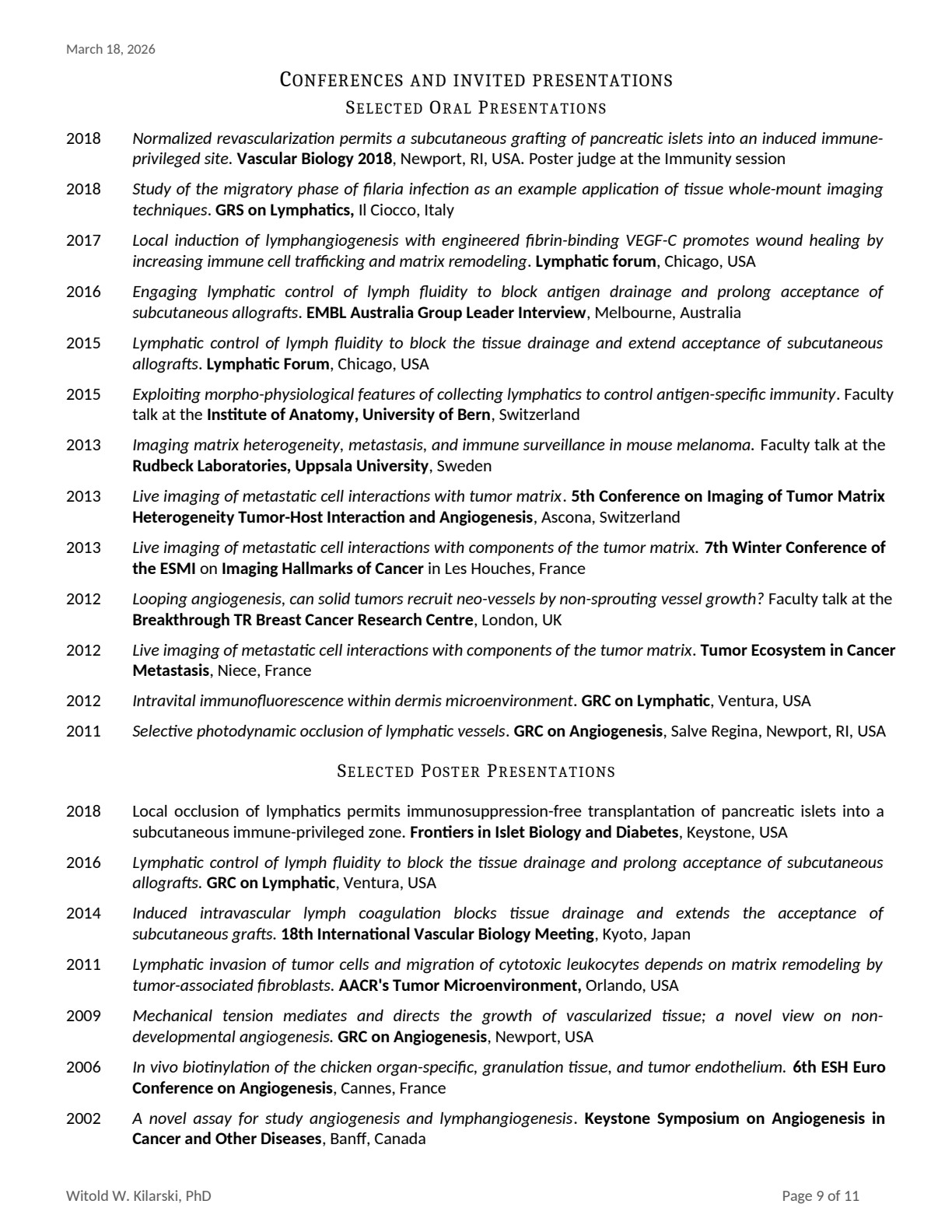
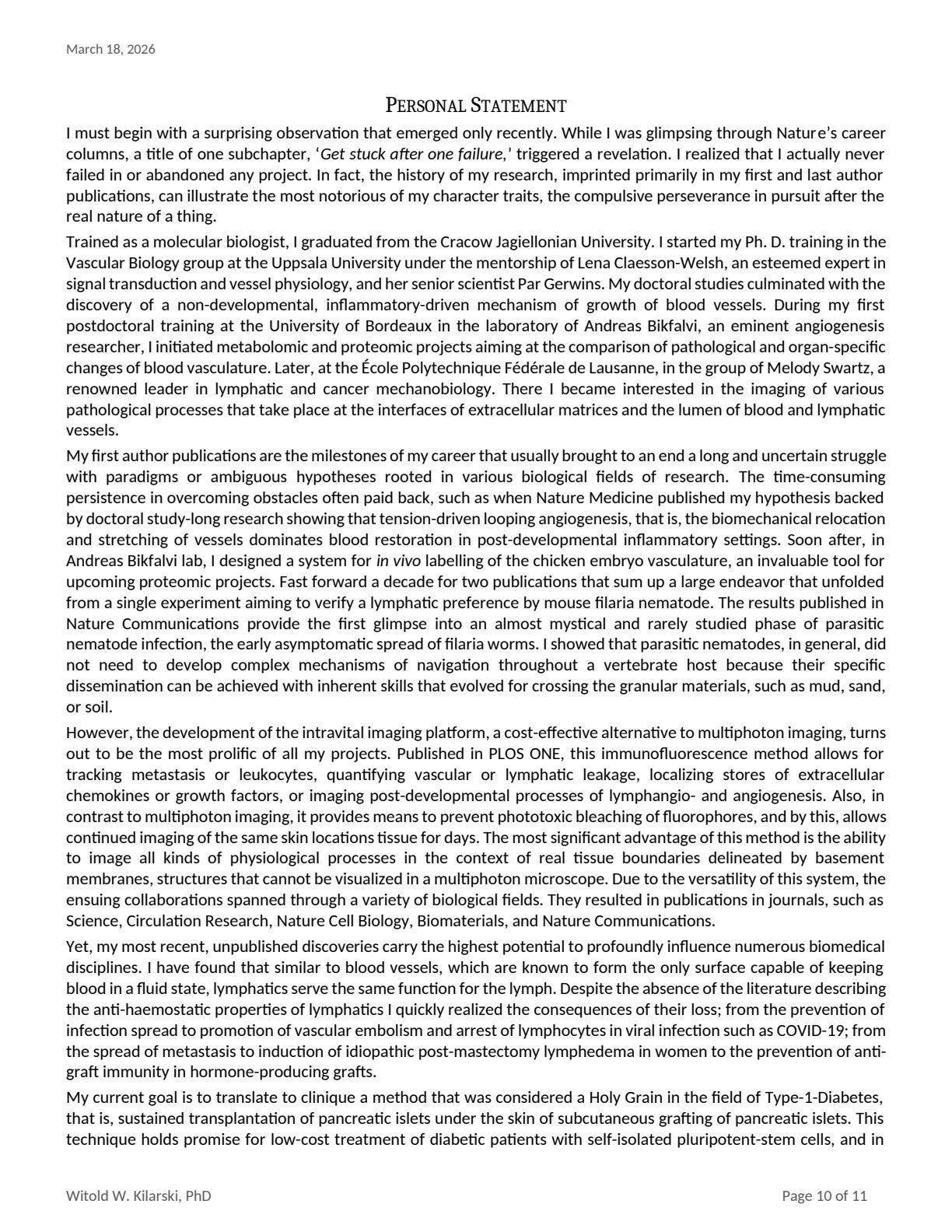
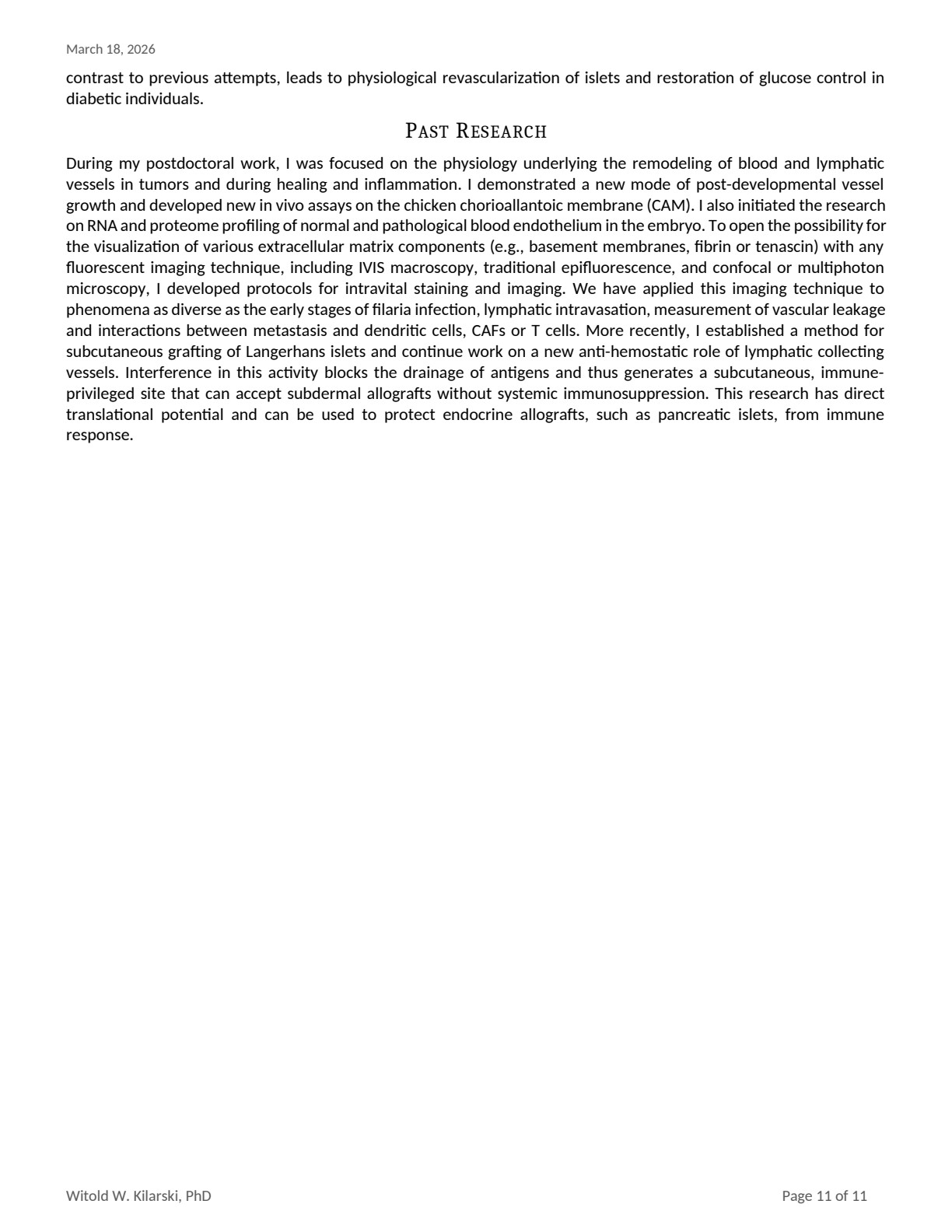
Request for supervisory audit
of the National Science Centre and the Jagiellonian University
Kraków, 30 July 2026. Today I submitted to the Minister of Science and Higher Education a request for supervisory measures and an audit under art. 426(1)(1) and art. 427 of the Law on Higher Education and Science. The request concerns two related matters: the failure of the Jagiellonian University's authorities to take the steps required by art. 282 of that Law, and irregularities in how the National Science Centre (NCN) published its list of grants awarded on appeal.
The request rests solely on publicly available data and on the written statements of the Jagiellonian University itself, dated 28 and 29 July 2026 (file no. 75.0162.67.2026), from which it follows that after receiving explanations from three professors the Vice-Rector for Research took no further action whatsoever: no proceedings were opened, no decision was issued and no institution was notified.
The attached documentation analyses the full list of applications qualified for funding by the Appeals Committee of the NCN Council — 170 entries totalling 157,153,339 PLN — together with sixteen archived versions of that list. Among other findings: for more than twenty-seven months, from September 2020 to December 2022, not a single appeal decision was added to the public list, and forty-six overdue decisions concerning competitions from 2020–2025 were disclosed only between March and November 2025 — at the very moment a competition-name column was added to the table.
Cc: Cabinet of the Minister, Department of Higher Education, Department of Science, Department of Control and Audit.
To be notified further: Supreme Audit Office (NIK), Central Anti-Corruption Bureau, the prosecution service, and the Research Council of Norway (Norges forskningsråd), given the Norwegian Funds co-financing.
To Prime Minister Donald Tusk
and Minister of Justice Waldemar Żurek
Kraków, 13 July 2026. After five years of unanswered notifications to politicians, journalists, the anti-corruption bureau (CBA), prosecutors and ministers — today I published and sent an open letter regarding the systemic refusal to prosecute corruption, blackmail, and nepotism in Poland's National Science Centre (NCN) and Polish National Agency for Academic Exchange (NAWA).
The letter concerns proceedings held under case ref. 4135-1.Ds.96.2022 before the Kraków-Podgórze District Prosecutor's Office, closed with a refusal to open an investigation — a decision whose reasoning contains, in my assessment, grave procedural and logical failures documented in detail in the attached filing.
Cc: National Prosecutor's Office (Kraków anti-corruption department), Ombudsman, Supreme Audit Office (NIK), Ministry of Science, Chair of the Sejm Committee on Education, Science and Youth, Media Ethics Council, and Polish newsrooms including Press.pl, Wirtualnemedia.pl, OKO.press, Forum Akademickie, Rzeczpospolita, Onet, Interia, Gazeta Wyborcza.
To be reviewed by OLAF (European Anti-Fraud Office) — due to EU co-financing of the funds concerned.
I am here for you — anyone who feels intimidated
I was recently shocked to learn that Ukrainians in Poland are being persecuted, attacked, and harassed. Let every Ukrainian know that I am here for them — for all those who feel intimidated. As far as time and means allow, I will do everything I can to help.
As a citizen of this country and a Doctor of Science, I am always far more credible to Polish authorities than a foreign citizen. I know this from experience — I have been at the Polish-Ukrainian border many times and have seen how Polish officials treat Ukrainians. They will not treat me that way.
I am not a lawyer, but I am a person who has always cared most about the fate of the weakest — because that's simply who I am. Those whom the state, or some brute in it, wants to terrorize because it can.
I grew up traumatically on the fate of the Jews of my city. I slept in the bed of a Jewish child who was shot at the local Jewish cemetery. You don't forget that. And I won't let it happen again — never, nowhere, to anyone.
You can call me 24/7: +48 782 473 130 — Dr Witold Kilarski, Kraków.
Below is an A4 poster with all the information in Polish and Ukrainian. You can download it, print it, and hand it out wherever it might reach someone who needs this help — in a shop, a stairwell, a clinic, a school, a workplace.
⬇ Download A4 poster (PDF) — PL / UAI do not want any money and never will. This help is free.
Sometimes a song says more than a court file
A space for cultural commentary on this story — songs, poems, scenes that resonate with what happened here. Science and law speak their own language, but sometimes it takes a raven, ghosts, a Slavic saga, Rob Bailey and Hamlet to say it right.
The playlist keeps growing — more tracks will come as life throws up the next analogies.
Discussion
Share your thoughts. Comments are stored on GitHub Discussions — an open platform, no censorship.